This blog is part of a series produced by Intercultural Roots for Public Health (Coventry, England) as part of their Tier One partnership with MakingCulture® e.V. (Coburg, Bayern). Find out more about their partnership
When our team from Intercultural Roots travelled to Germany to meet our partners at Making Culture, we expected to find a partnership. What we found was a mirror.
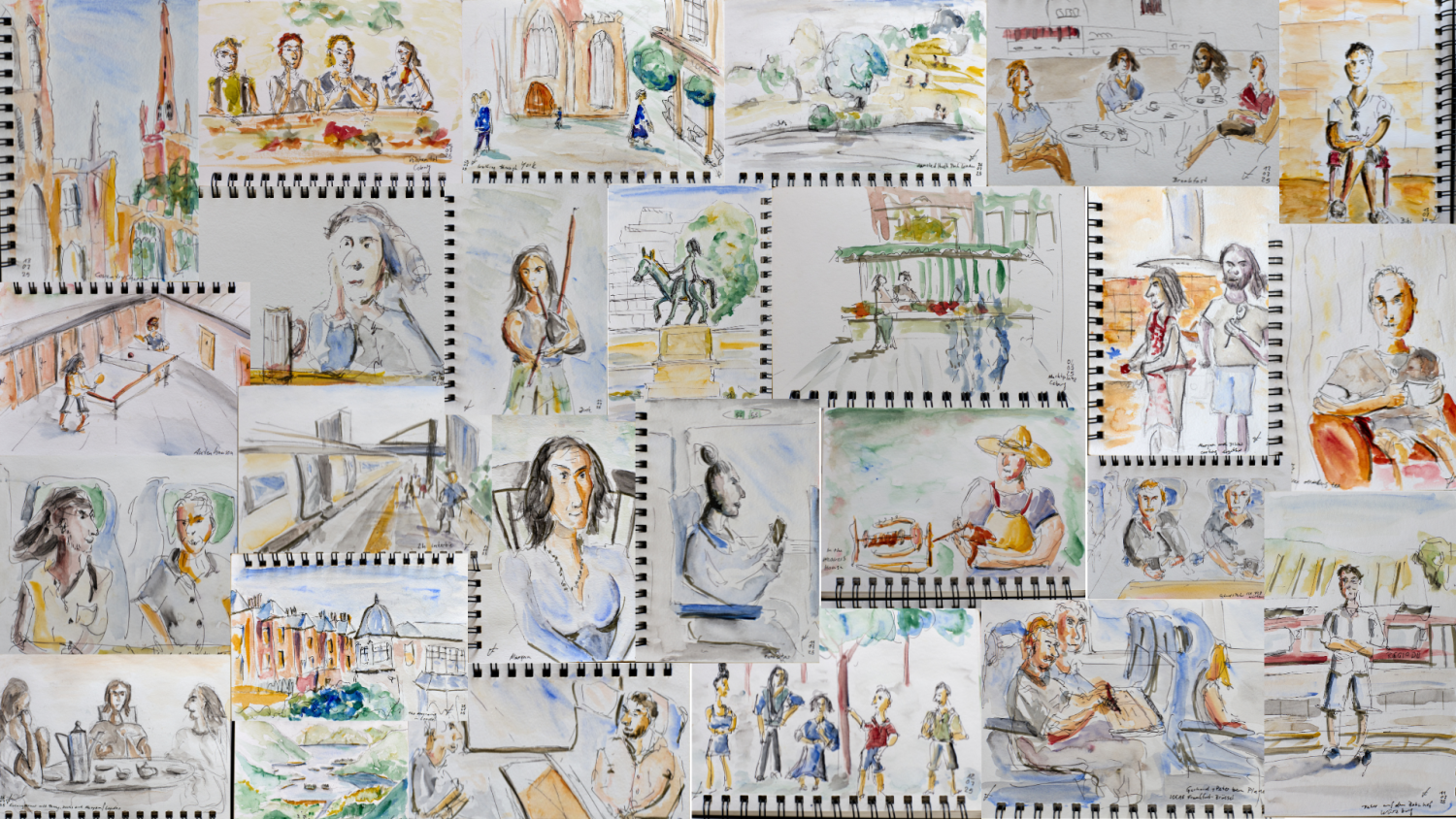
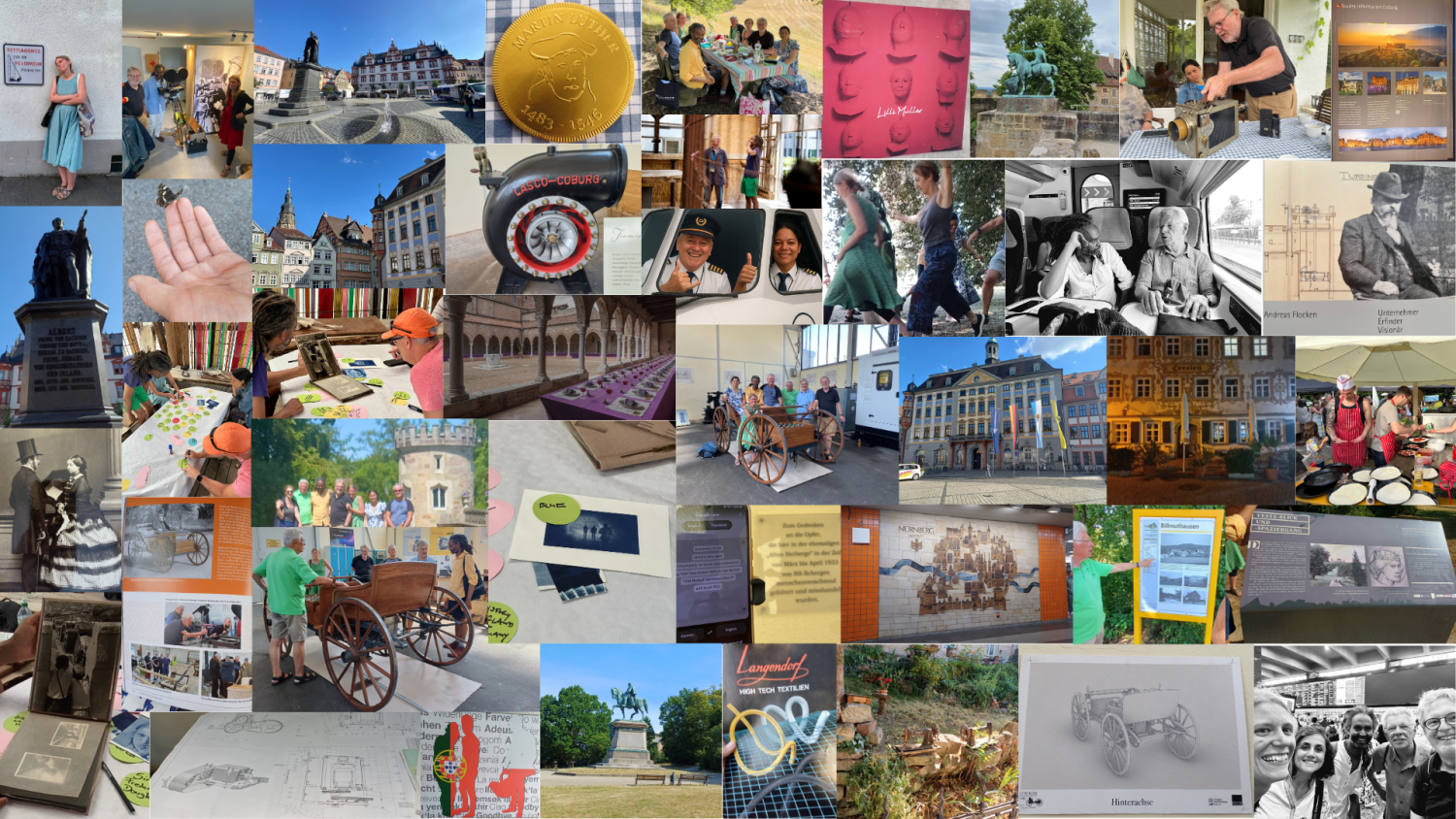
During lively discussions at a local restaurant and the creative space at Am Güterbahnhof, the "Bridging Cultures" project evolved into a fascinating exploration of two cities that are surprisingly intertwined. Lilly, one of our Coburg hosts, affectionately dubbed the comparison "Co-Co" (Coventry-Coburg), and as we peeled back the layers of history, the connections we found were nothing short of extraordinary.
The Golden Key
The trip began with a mishap that turned into a metaphor. Upon arrival in Coburg, the UK team couldn't find the key to their accommodation. This led to them staying in the private homes of their hosts, Lilly and Gerhard. As Lilly noted later, this missing key became the "golden key" to the journey, allowing us to connect heart-to-heart immediately rather than staying in an impersonal hotel.
This theme of "community" followed us throughout the workshops. We learned that the word "Covent" (from Coventry) stems from "Covenant," referring to a community or assembly. It was a beautiful realization: the golden key we are bringing back and forth between these cities is friendship and fellowship.
A Tale of Two Skylines
In our workshops, we used schematic representations of the city skylines to spot differences.
- Coventry: Features the iconic Lady Godiva, a feminine symbol of social justice and resistance.
- Coburg: Features a man on a horse (Duke Ernst), representing a more traditional, royalist history.
This highlighted a fascinating contrast: Coventry has historically been a "city of resistance" and republicanism (even refusing entry to the King during the Civil War) , whereas Coburg is deeply royalist, being the birthplace of Prince Albert.
The Fabric of History
Perhaps the most striking parallels were found in industry. We discovered that the name "Coburg" may historically refer to a specific type of fabric or printed twill. Similarly, Coventry’s economic history is rooted in the wool and textile trade.
The "threads" of history crossed in other unexpected ways:
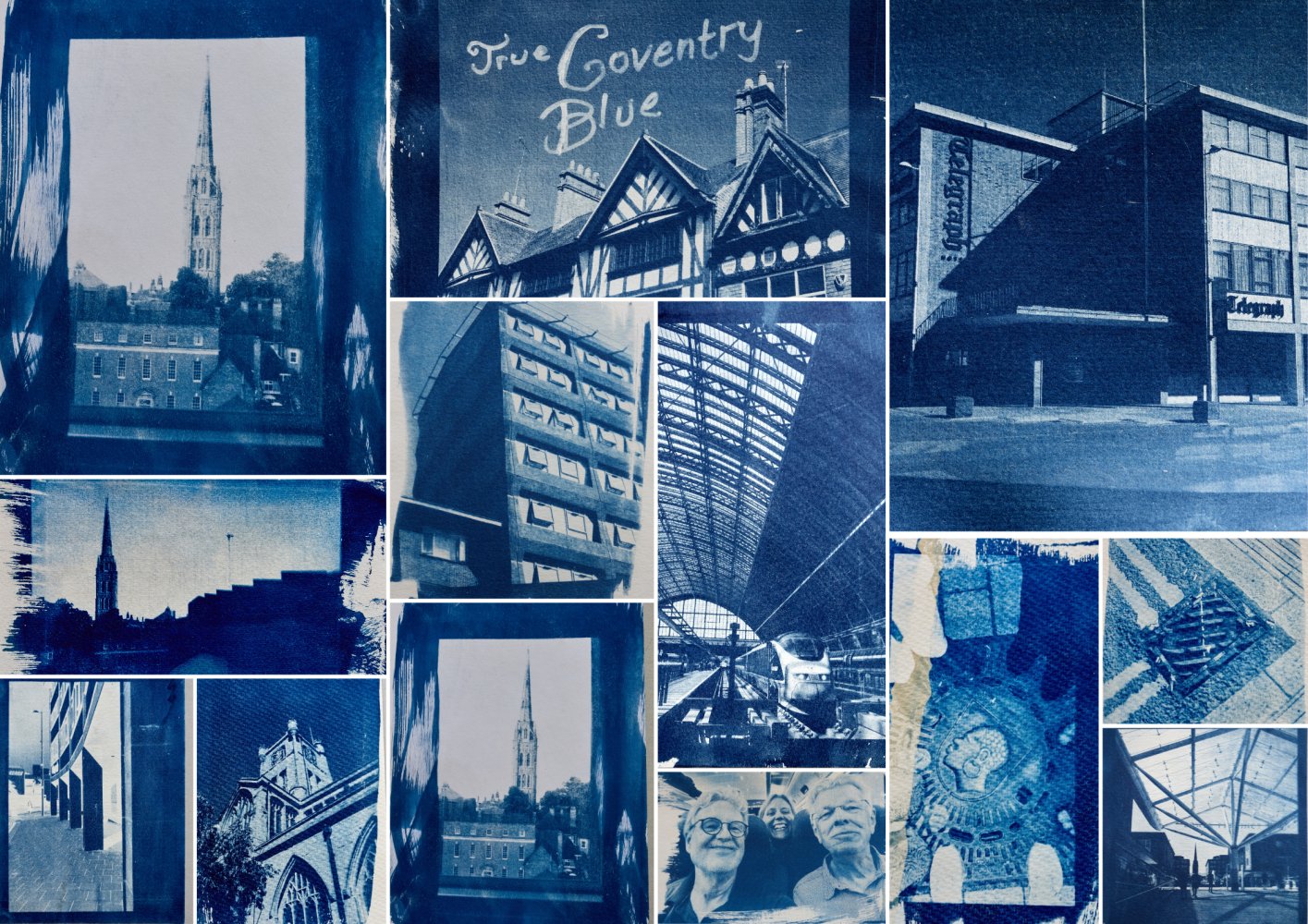
- True Blue: Coventry is famous for "Coventry Blue," a dye so permanent the saying "as true as Coventry Blue" still exists. Amazingly, we learned that near Coburg, there is a "Grub Blue" factory with a similar history of dye production.
- The Jerrycan: We uncovered a complex shared history regarding the "Jerrycan." The Brose factory in Coburg produced these fuel containers for the Wehrmacht during WWII. After the war, the exact same factory produced them for the British War Department, stamped with a "WD" and the broad arrow symbol.
Looking Forward
As we move forward with the Eco-GPX app and digital storytelling, we aim to capture these narratives not just as facts, but as human stories. As Alex noted, the "X" in Eco-GPX stands for exchange—connecting people, places, and diverse histories.
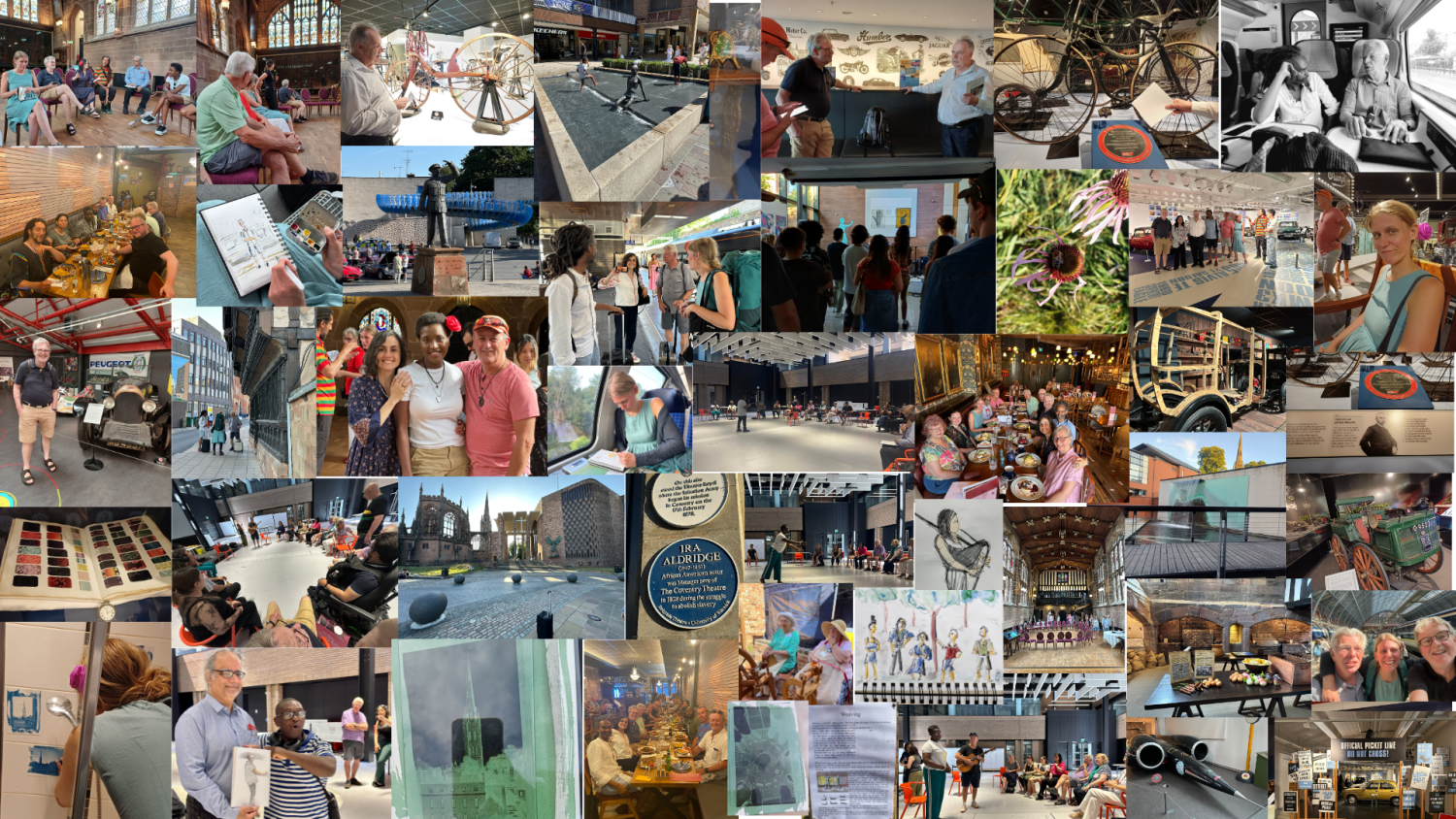
From the legacy of Ira Frederick Aldridge (the African-American actor who managed the Coventry Theatre and debuted at the Royal Coburg Theatre in London) to the unwritten stories of migration that both cities share, we are weaving a new tapestry.
As we look in the mirror of the "other" city, we are beginning to see our own homes with fresh eyes.