The following excerpts are from an article written by Maddy Costa for Exeunt Magazine, the original article was published on July 11th 2026. Read the full article here.
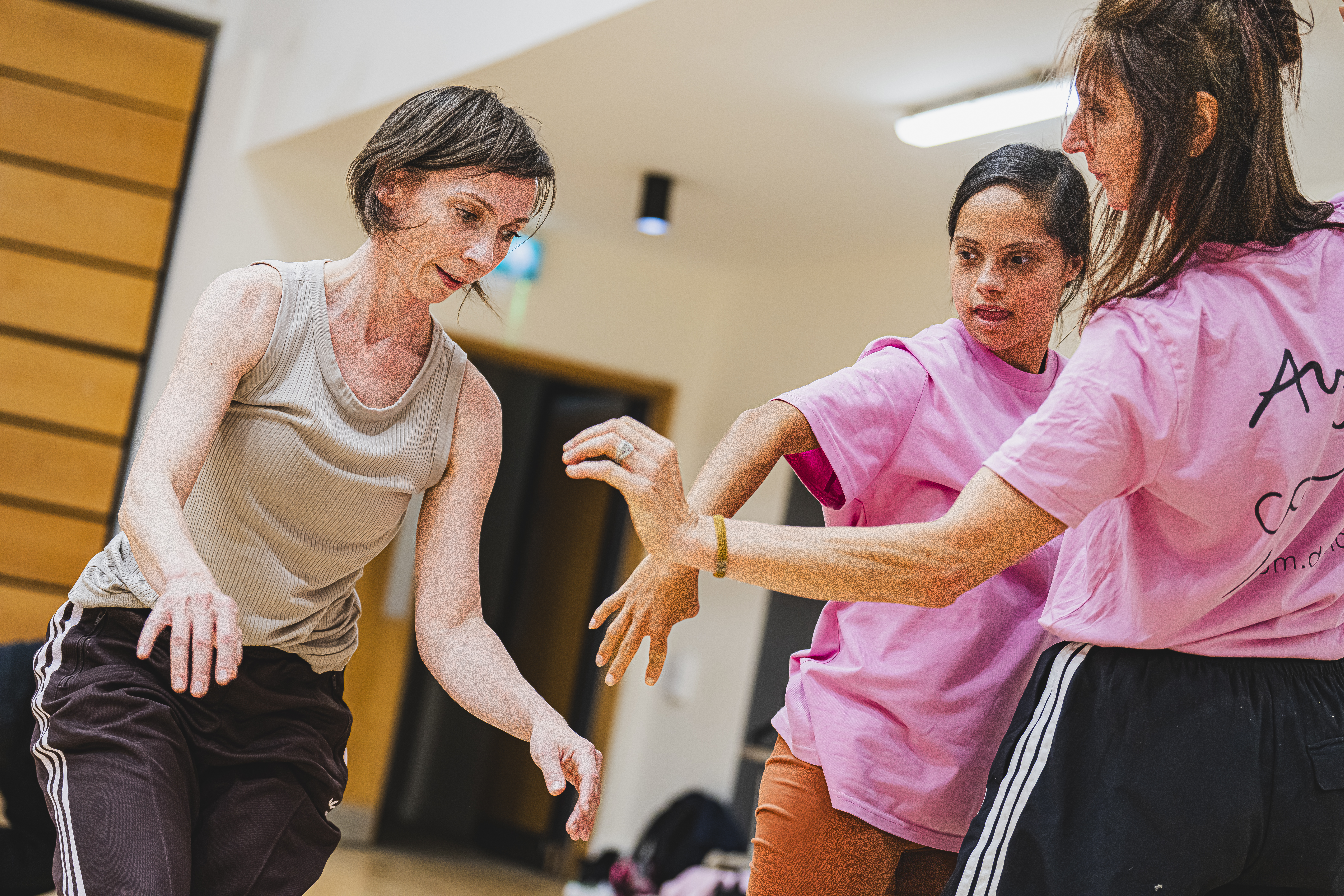
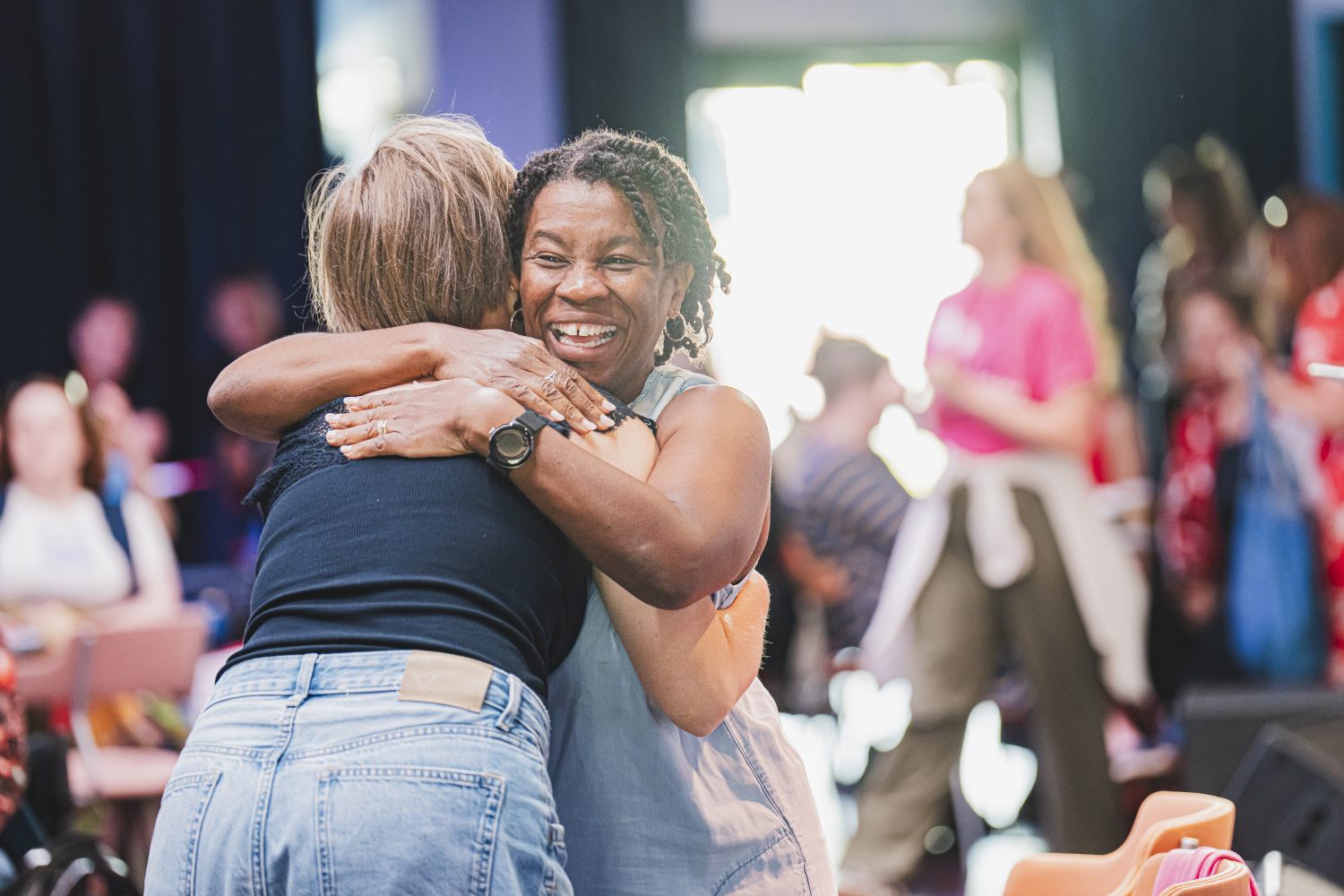
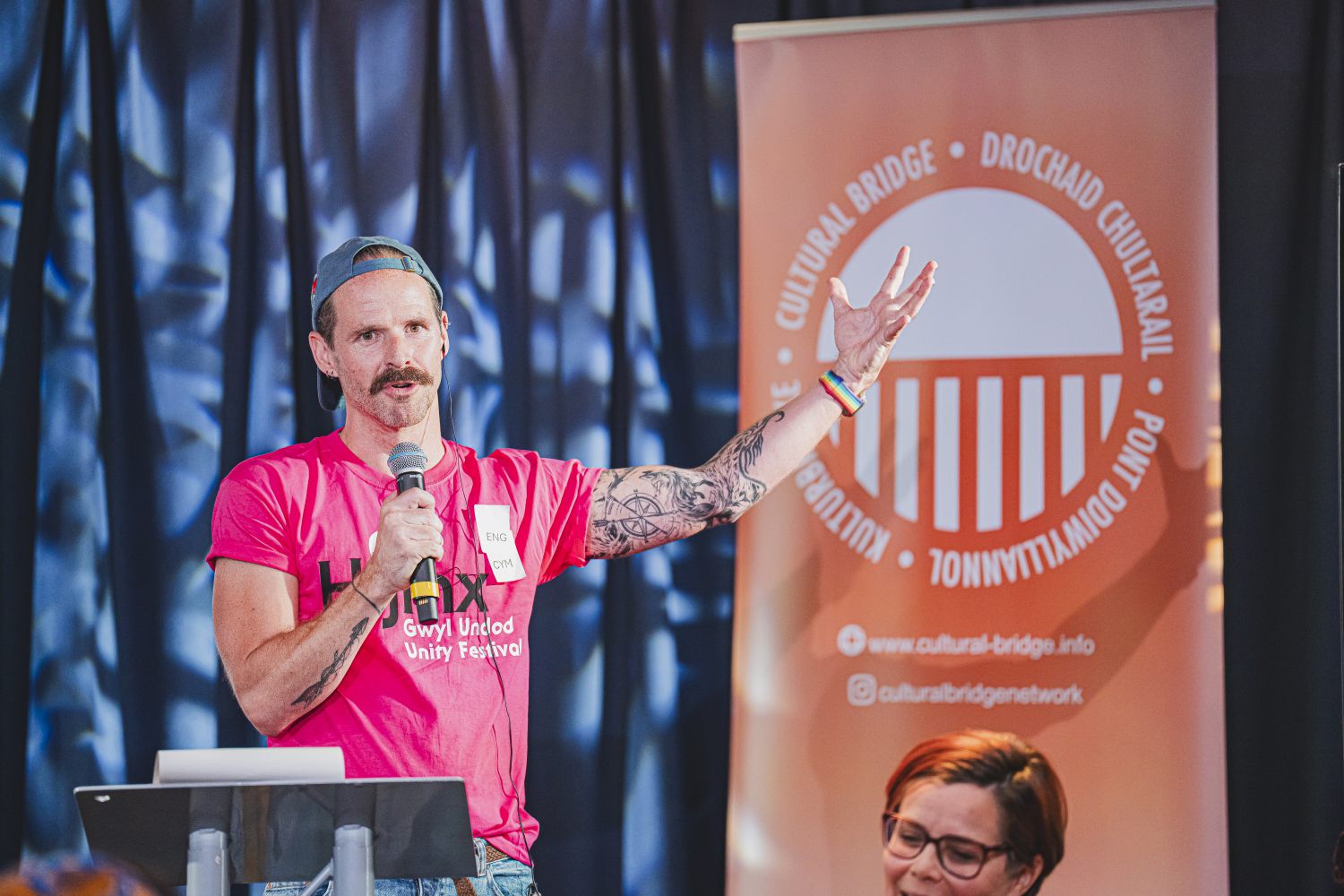
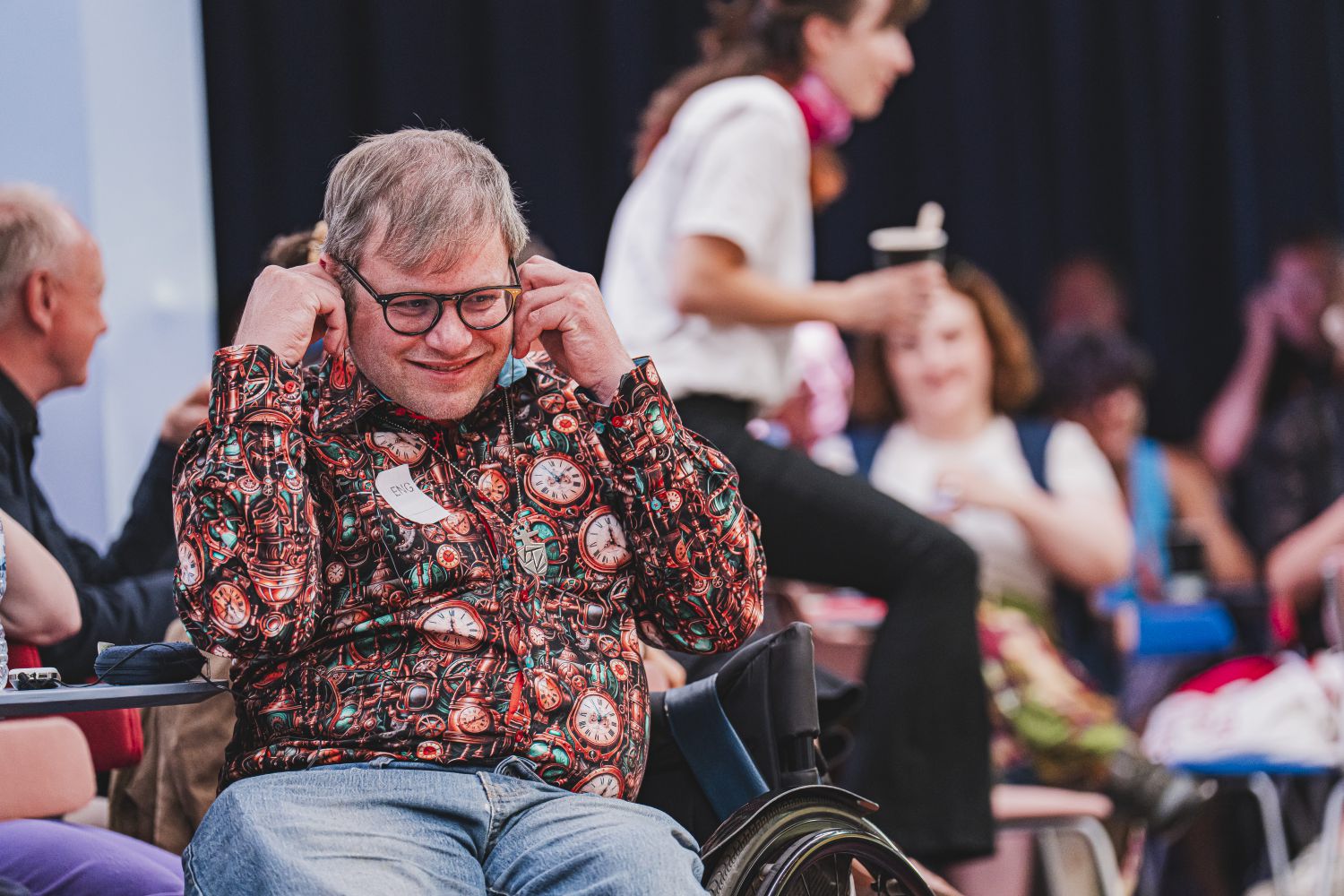
All images taken by Kirsten McTernan | @
For many who work in theatre and performance, the story of Dyane Neiman might feel painfully familiar. An independently producing, award-winning choreographer, Neiman became so demoralised by the hand-to-mouth hustle of project funding that she quit. Abandoned the dance world, refused the hours of unpaid labour expected of freelancers (writing lengthy applications, reconciling piles of receipts against the straitened budget), and retrained as a coach, supporting people to grow as public speakers. Should she return to art at any point, she vowed that she would never apply for taxpayers’ money again.
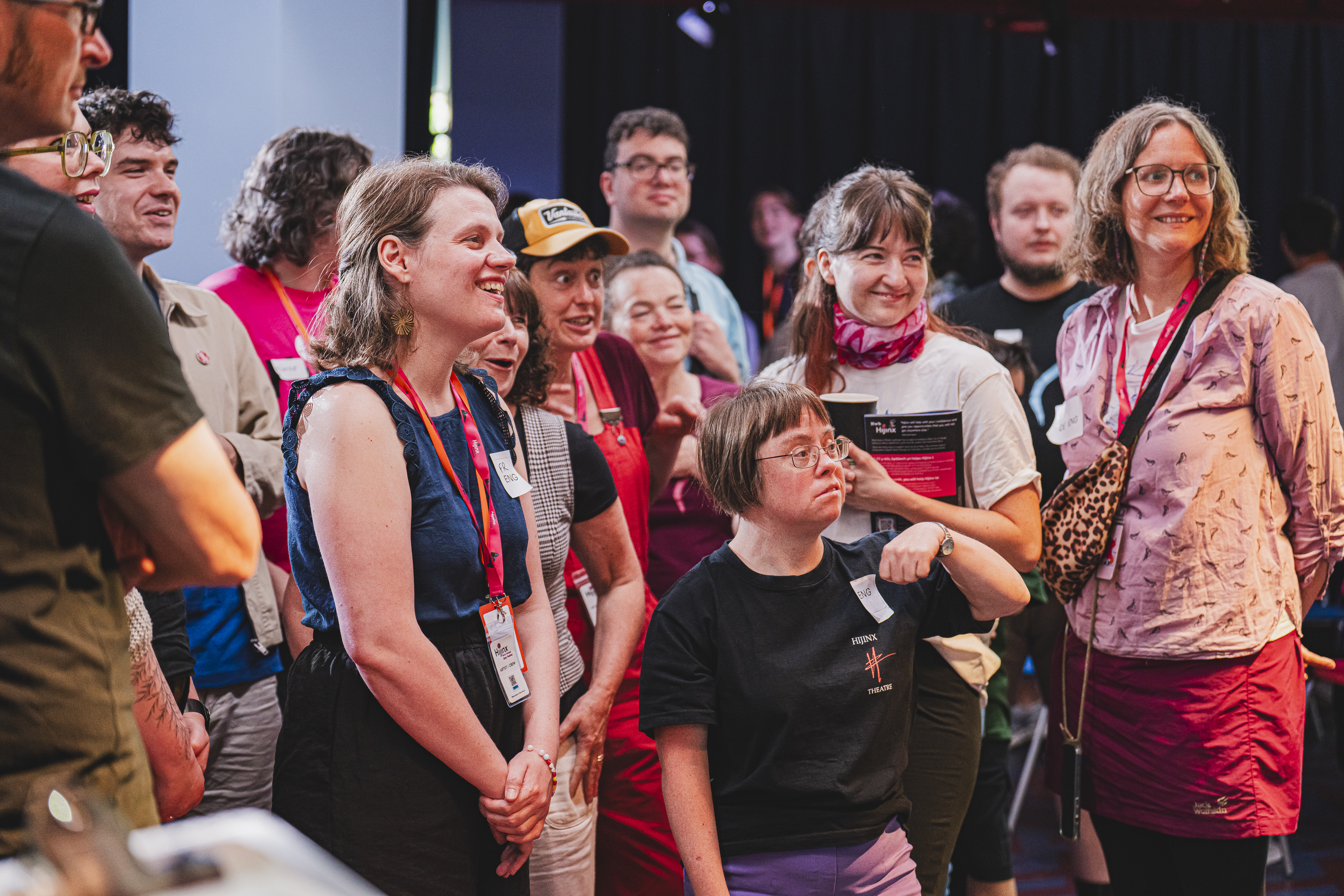
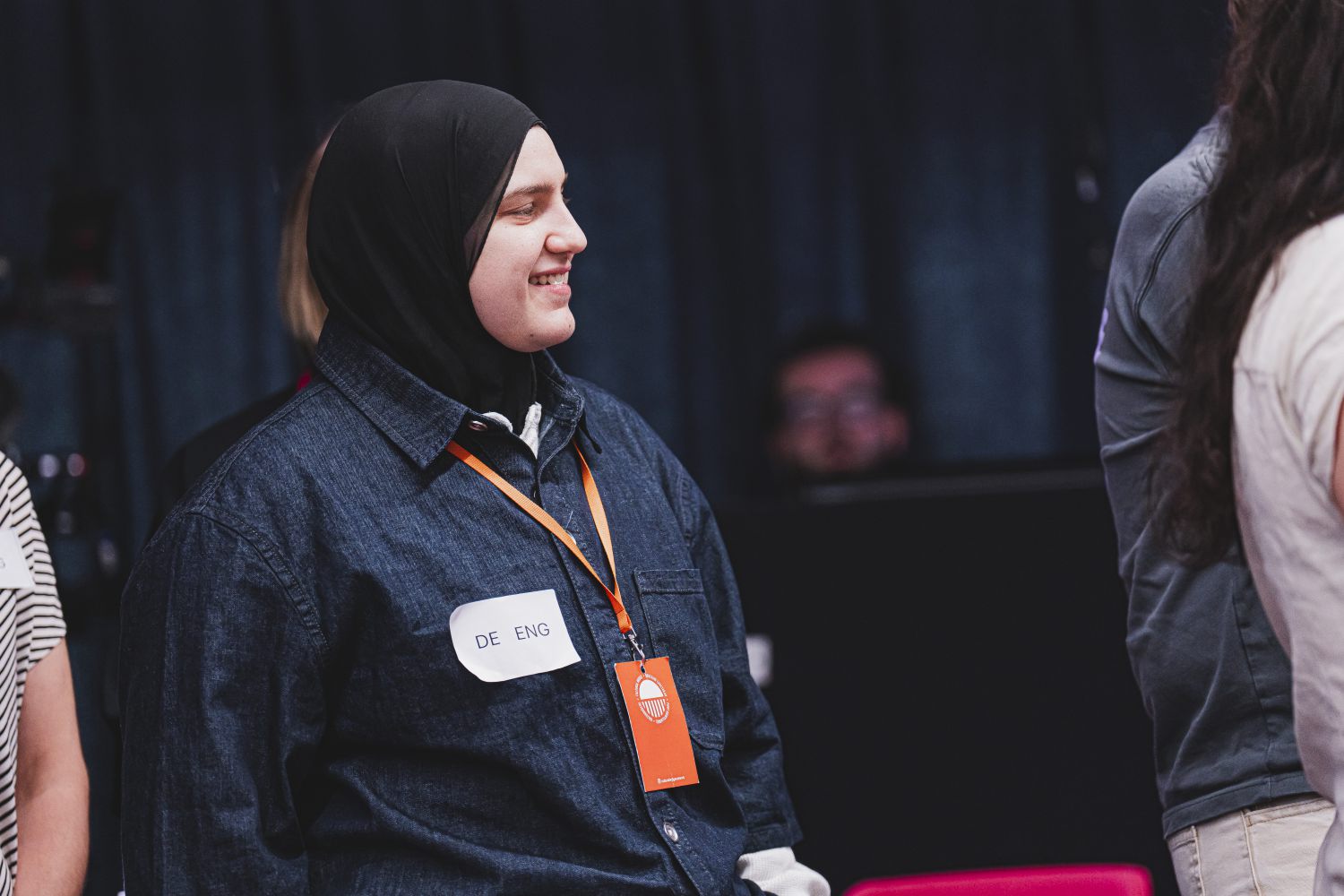
Neiman tells me this sitting on a sunbeam-yellow chair in the foyer of Wales Millennium Centre, where she is one of some 50 people working in community-engaged arts – what in German is called “social culture” – brought together by Cultural Bridge. A collaboration between seven funding bodies (all four of the UK’s national arts councils, a German funder Fonds Soziokultur, the British Council, and the Goethe-Institut London), Cultural Bridge enables organisations rooted in participatory practice to partner up and learn from each other. As founder and host of The Bear, a monthly event in Berlin that invites people to tell a true, personal story to a live audience, Neiman applied in 2022 to learn with Open Past, a Scottish charity rooted in heritage and community film-making. She broke her vow because the application form “was very straightforward. It was only two pages and I didn’t have to justify my existence.”
Cultural Bridge exists because of Brexit: because the political and economic severance of the UK from the EU has made it significantly harder for art organisations here to collaborate across the continent. Harder to tour, harder still to connect in less product-oriented ways. A recent policy paper, Cross-Border Collaborations in the Performing Arts, argues that the benefits of such relationships are massive: they enable artists to “exchange methods, aesthetics, and perspectives”, while the exposure to different cultural contexts can help challenge assumptions. This in turn sharpens the “tools for communities to engage in dialogue” – tools particularly activated in participatory practices – which are essential for democratic societies.
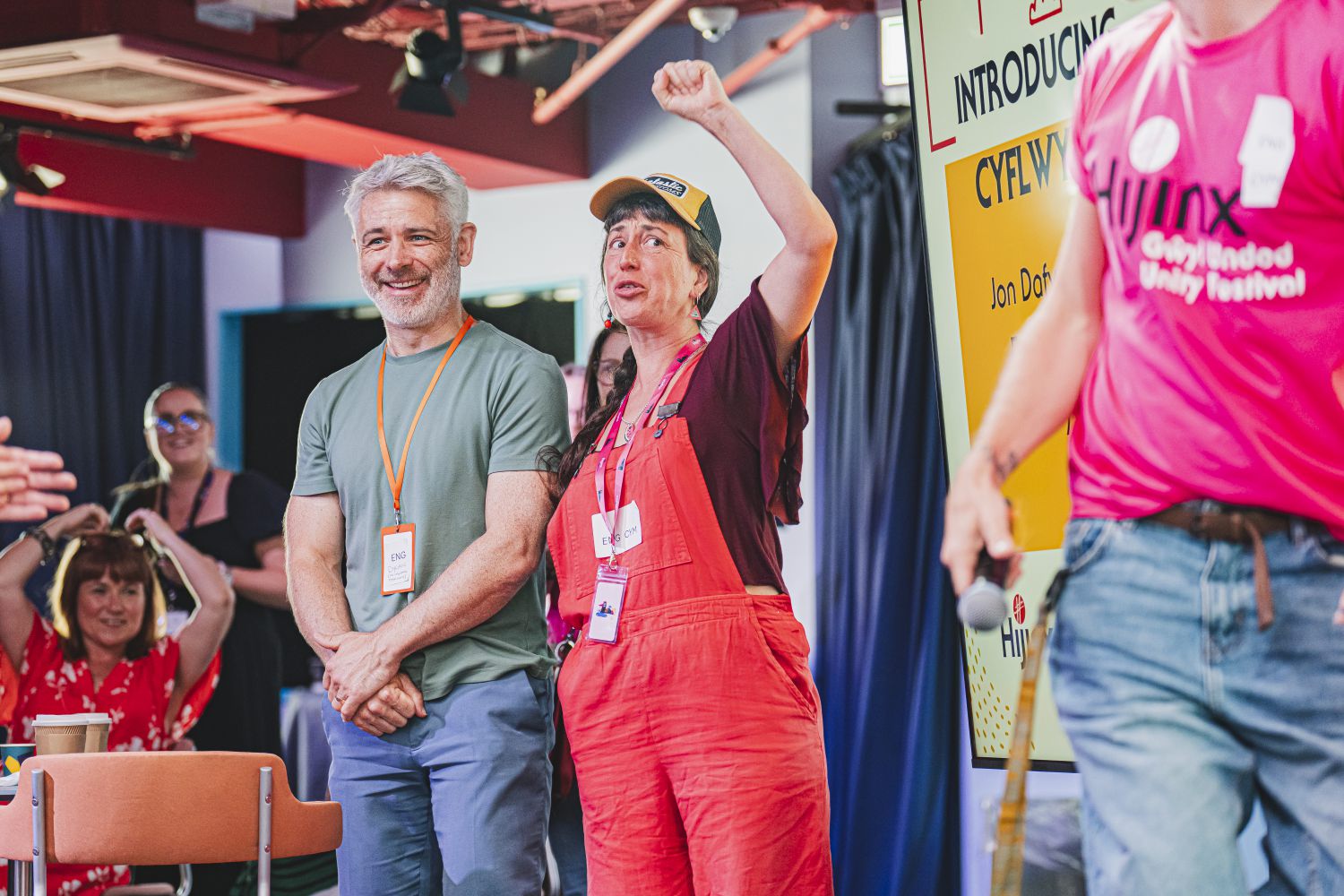
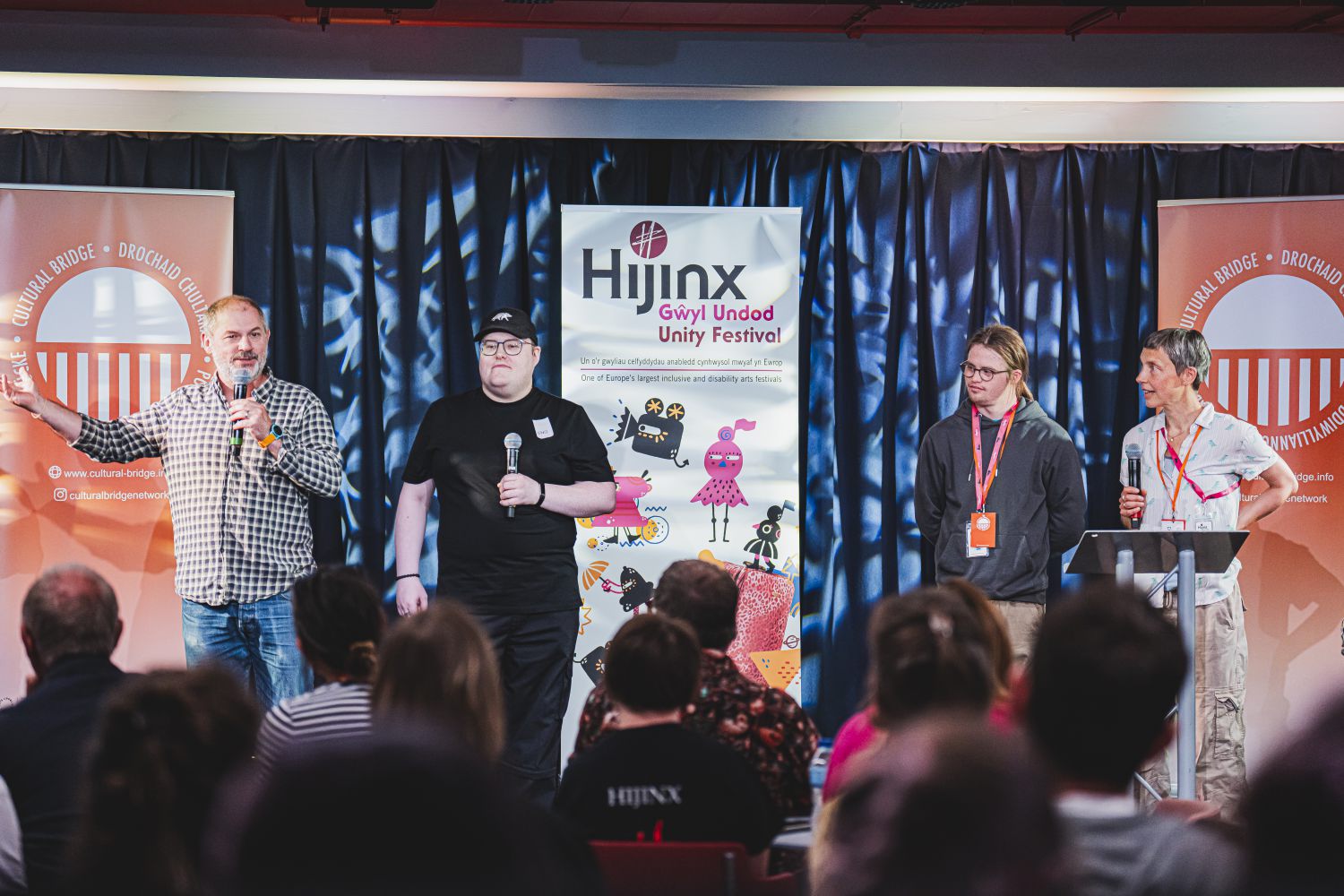
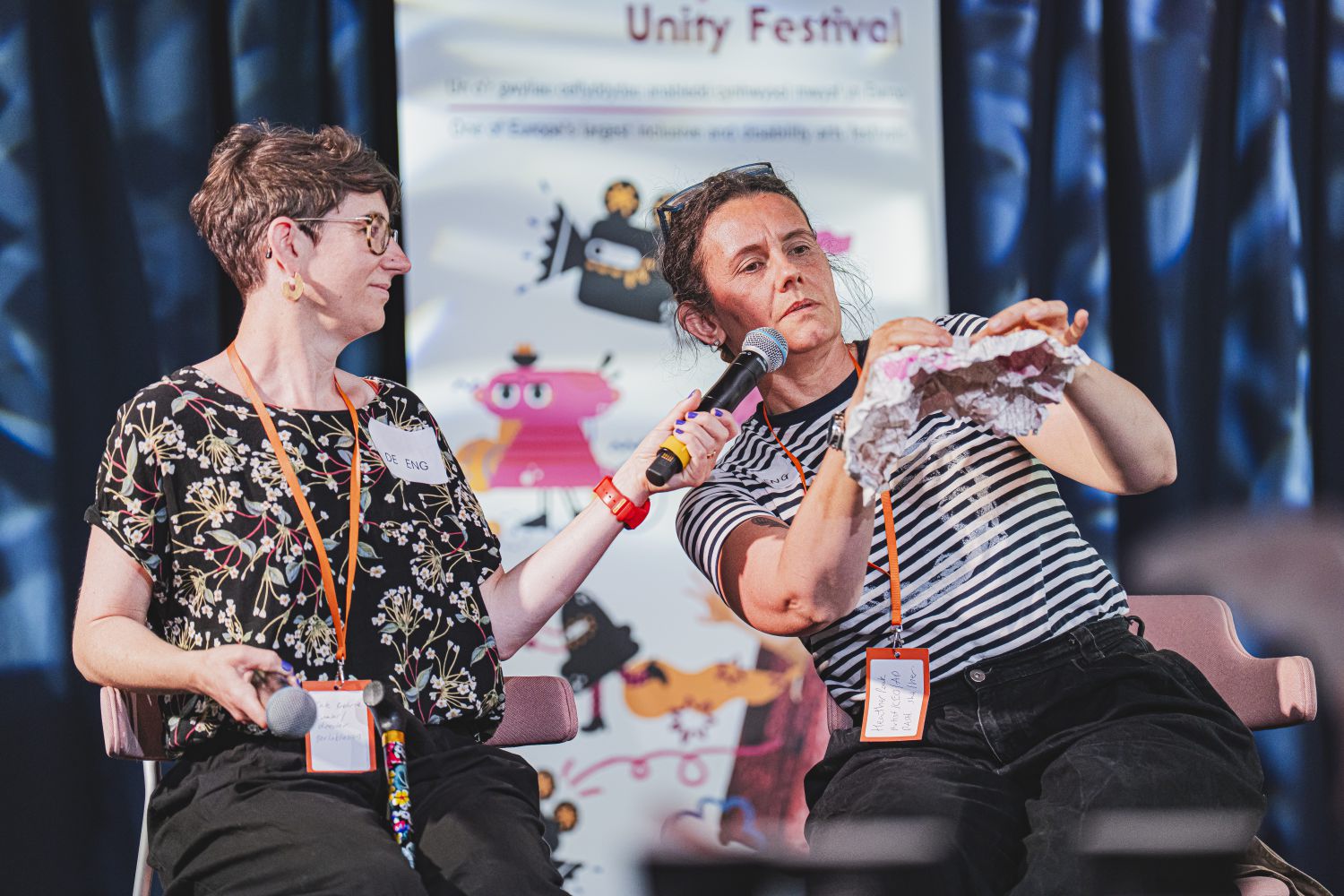
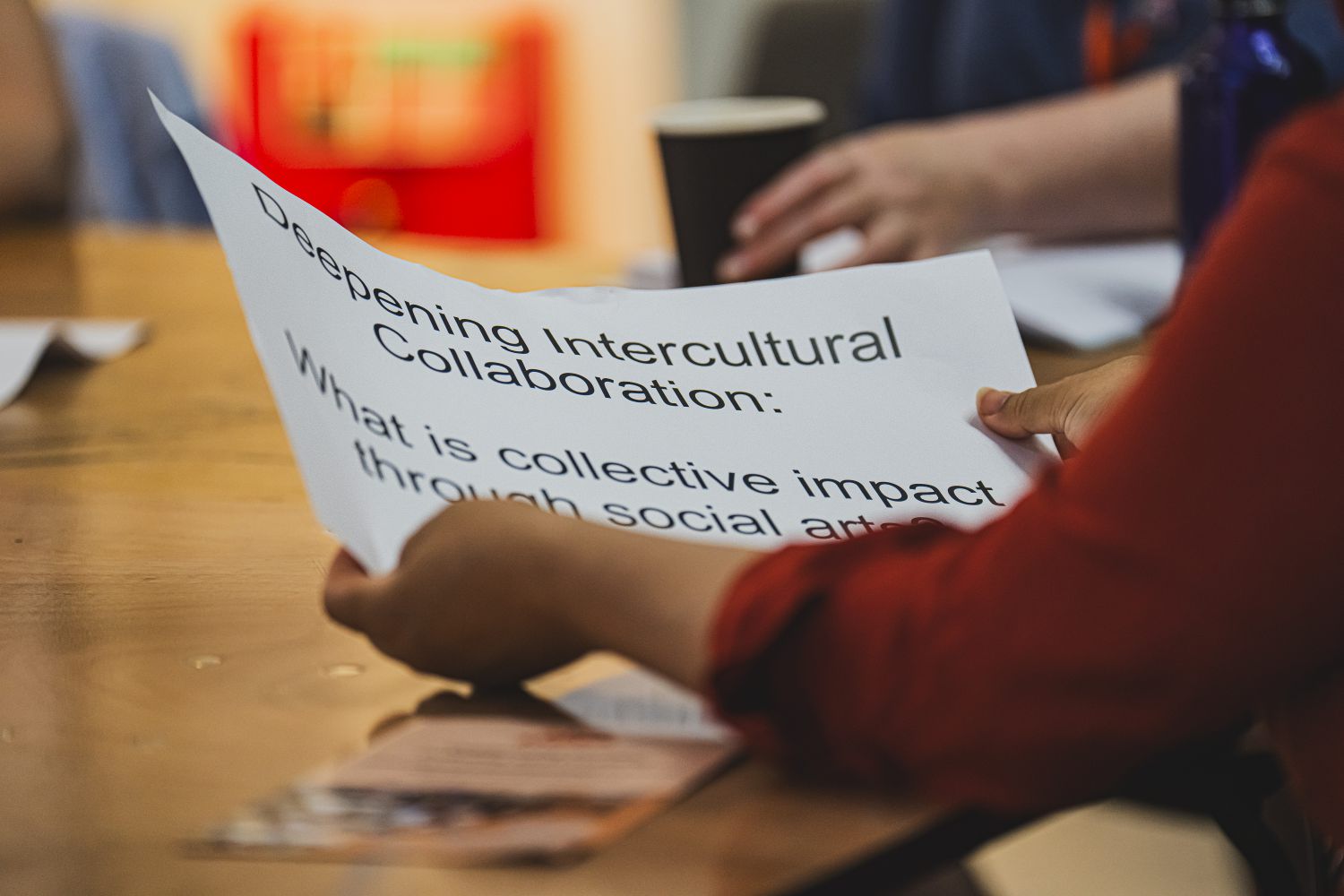
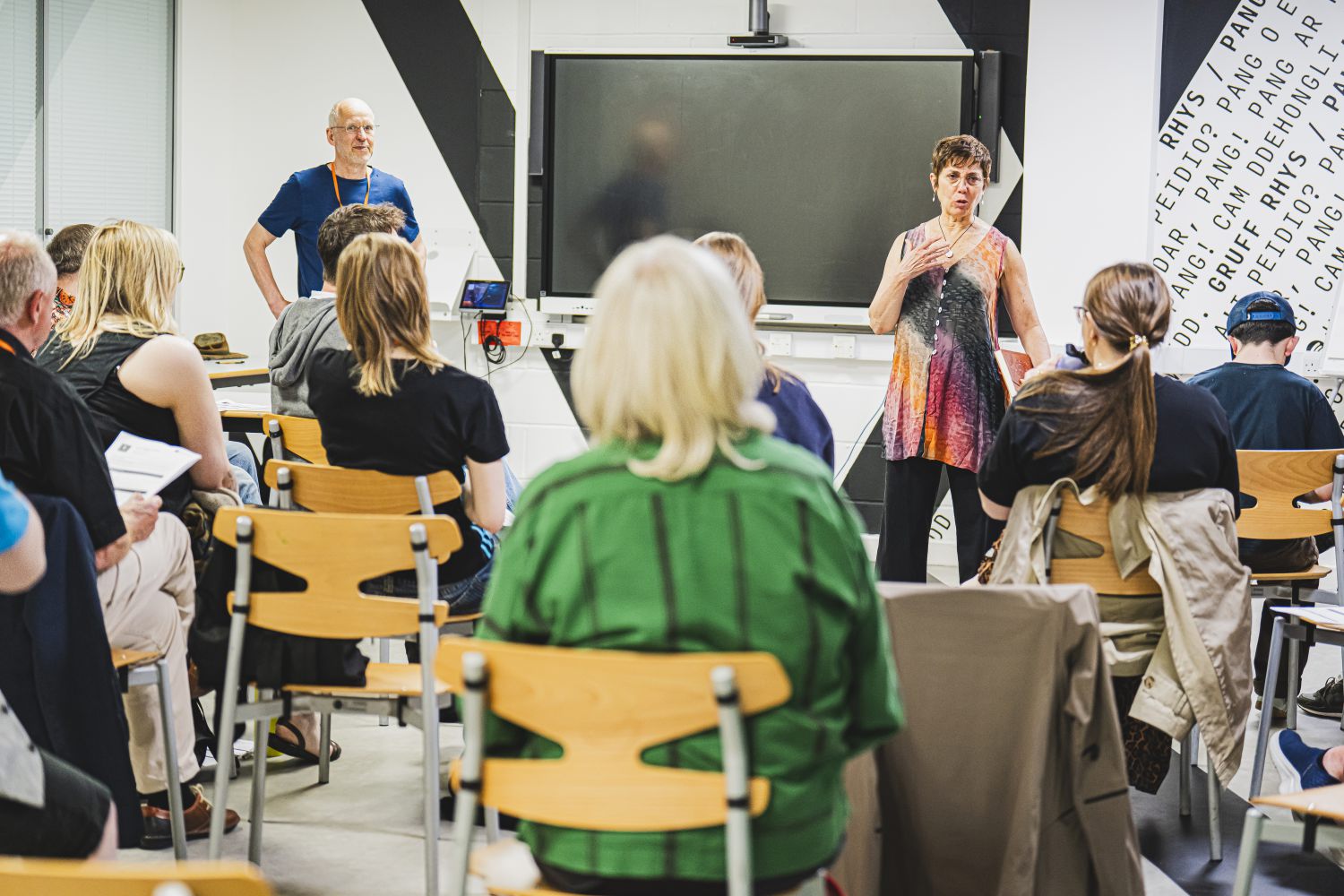
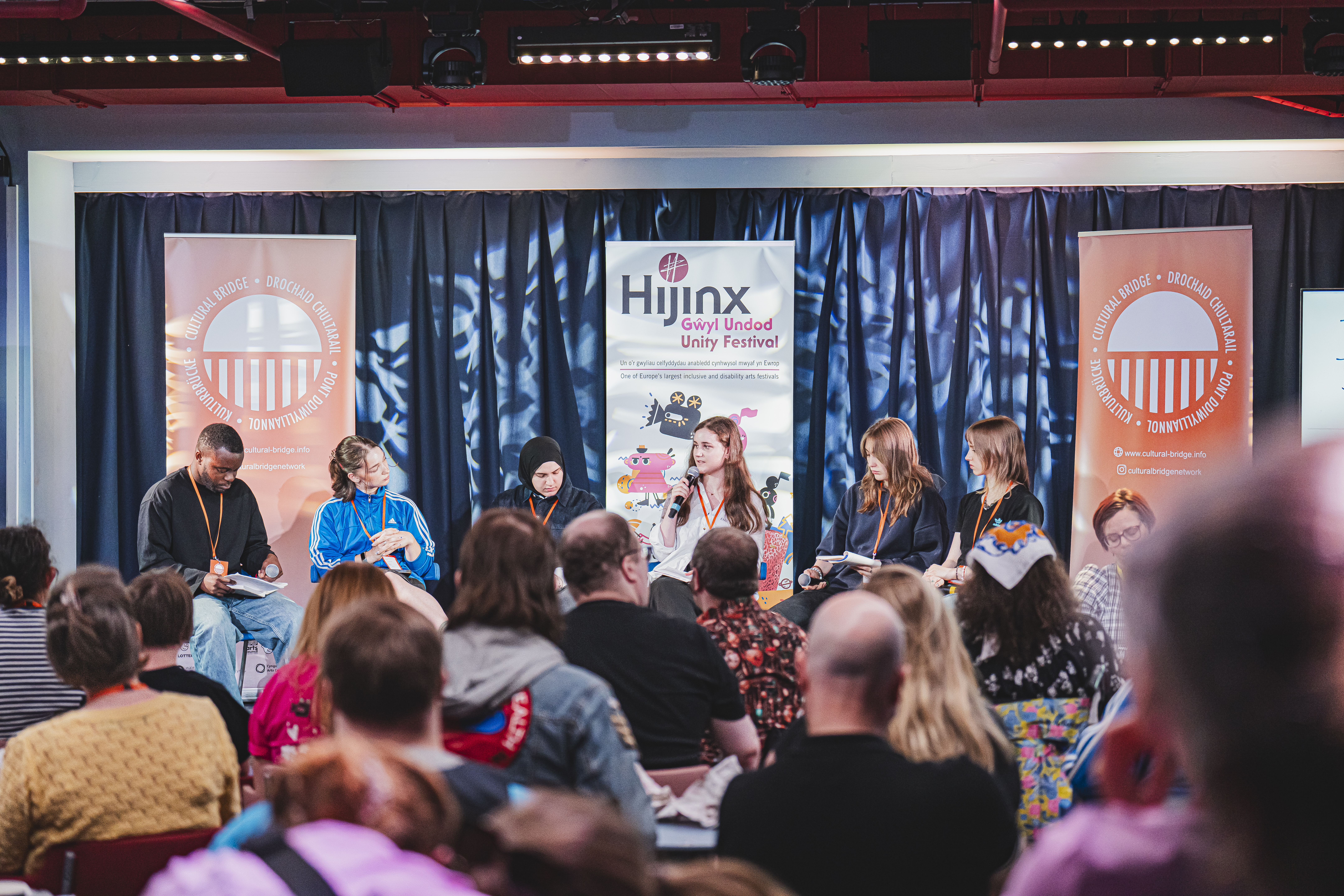
I could rehearse for hours evidence to back up such claims and still face scepticism. What matters is that, since 2021, Cultural Bridge has committed to a belief in these benefits and put money behind them, to date enabling 68 partnerships between UK and German organisations. The gathering at Wales Millennium Centre brought representatives from 18 participating organisations together for an Artist Exchange Conference, the first attempt within Cultural Bridge to galvanise dialogue across the programme, enabling people to learn from each others’ discoveries.
Projects like Cultural Bridge operate in the shadow realm of the arts world: supporting process, experimentation and research without expectation of specific outcomes, a release of pressure that widens the space for new thinking and shifts in practice. It’s the third such activity co-funded by the Goethe-Institut that I’ve become attached to as an outside observer and storyteller: previously I’ve worked with Imagining Futures, which brought together directors of independent festivals around Europe to “rip up the rule book” of what a festival might offer, to whom, and how; and CROWD – international dance exchange, which supported residencies for dance-makers with a socially engaged practice, within institutions who wanted to expand their community offer.
So much discussion, learning and radical thinking, about creative processes, relationships with audience, organisational hierarchies, raises a tantalising question: how to extend all this knowledge forwards and outwards? How might others benefit from these dialogues?
Another, more pessimistic, question might be: how far can fresh learnings get without additional funding?