Giving ourselves permission to reimagine public space: Floating Fortress in Ulm
What happens when artists from different countries and disciplines come together to explore the possibilities of public space? Through their Cultural Bridge partnership, artists in Belfast and Ulm have been finding creative ways to encourage people to reconnect with their surroundings, uncover local stories and imagine new possibilities for their city.
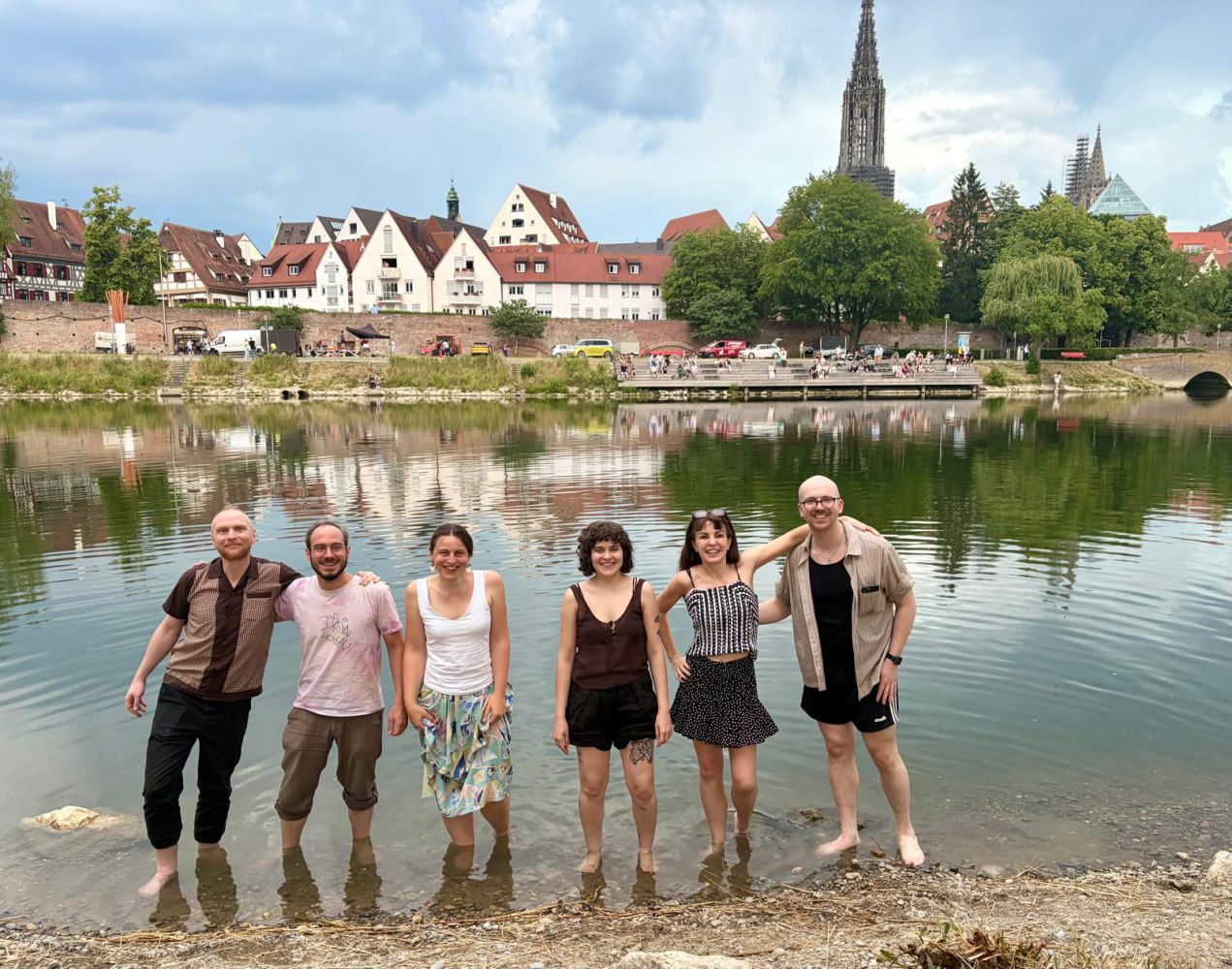
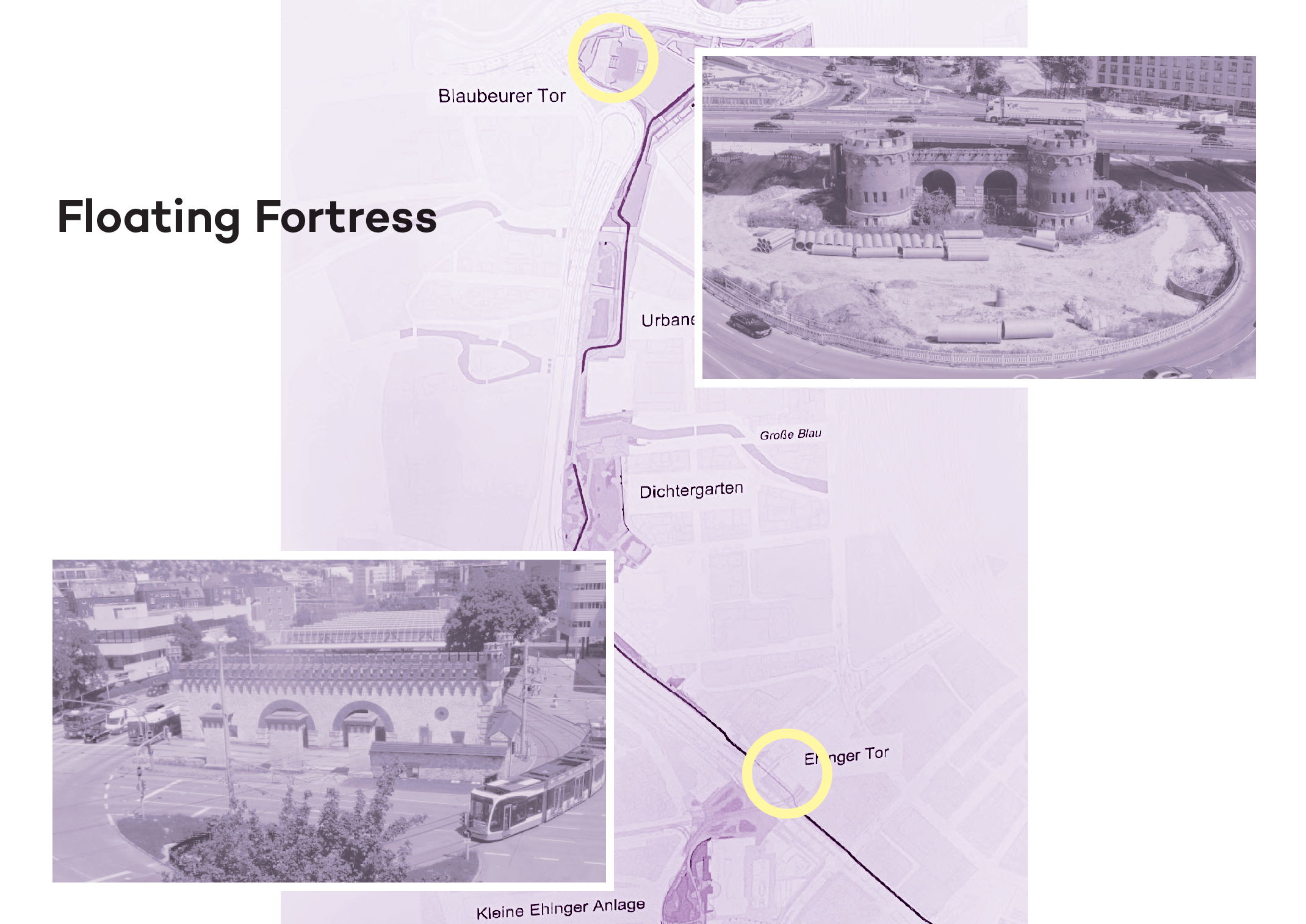
The German city of Ulm is undergoing a major transformation. In preparation for the 2030 State Garden Show, significant urban development is planned, including new green spaces and improved access to the city's historic 19th-century fortress structures.
For artists working in public spaces, this changing landscape presents an opportunity: not simply to respond to physical redevelopment, but to explore how people experience, interact with and feel a sense of ownership over the places around them.
This was the starting point for Floating Fortress: Exploring New Urban Niches, a Cultural Bridge partnership bringing together Griesbadgalerie in Ulm, Kabosh Theatre in Belfast and collaborators from different artistic disciplines.
An office for imagination and experimentation
The partnership initially set out to explore new approaches to activating public spaces. With additional funding from the City of Ulm's Cultural Department, the collaboration developed into a larger programme of artistic research and public engagement, focusing on the area between two historic fortress gates.
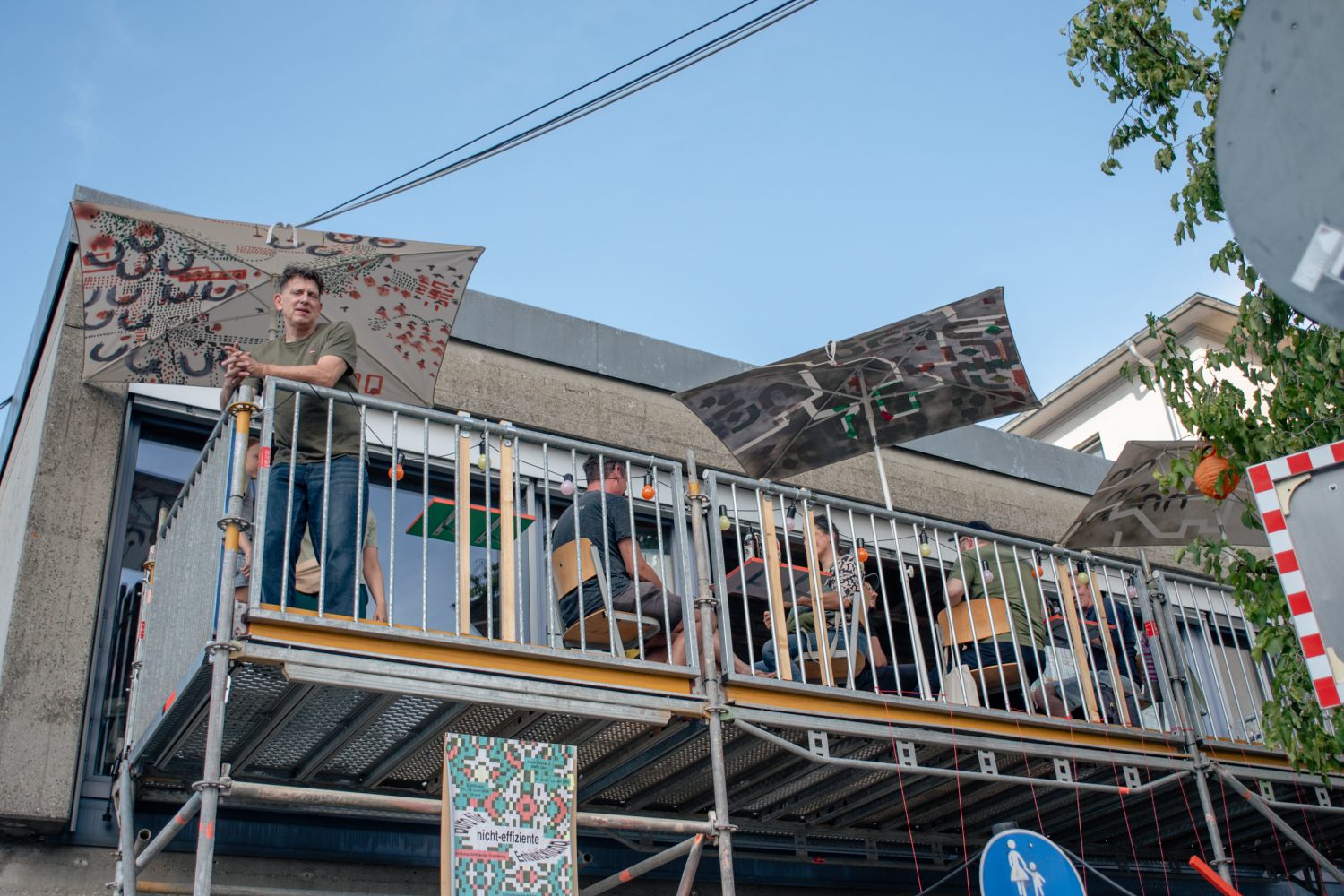
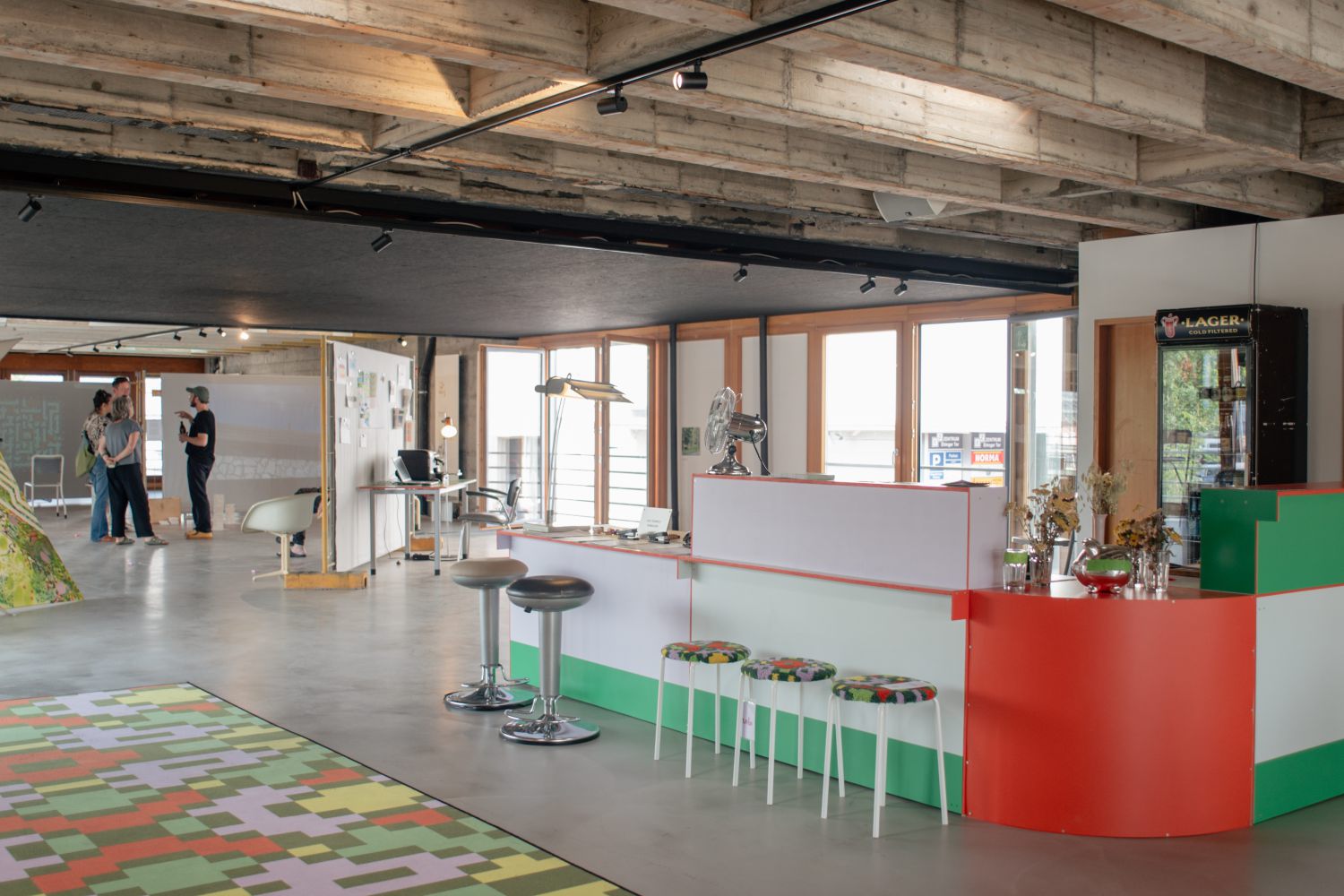
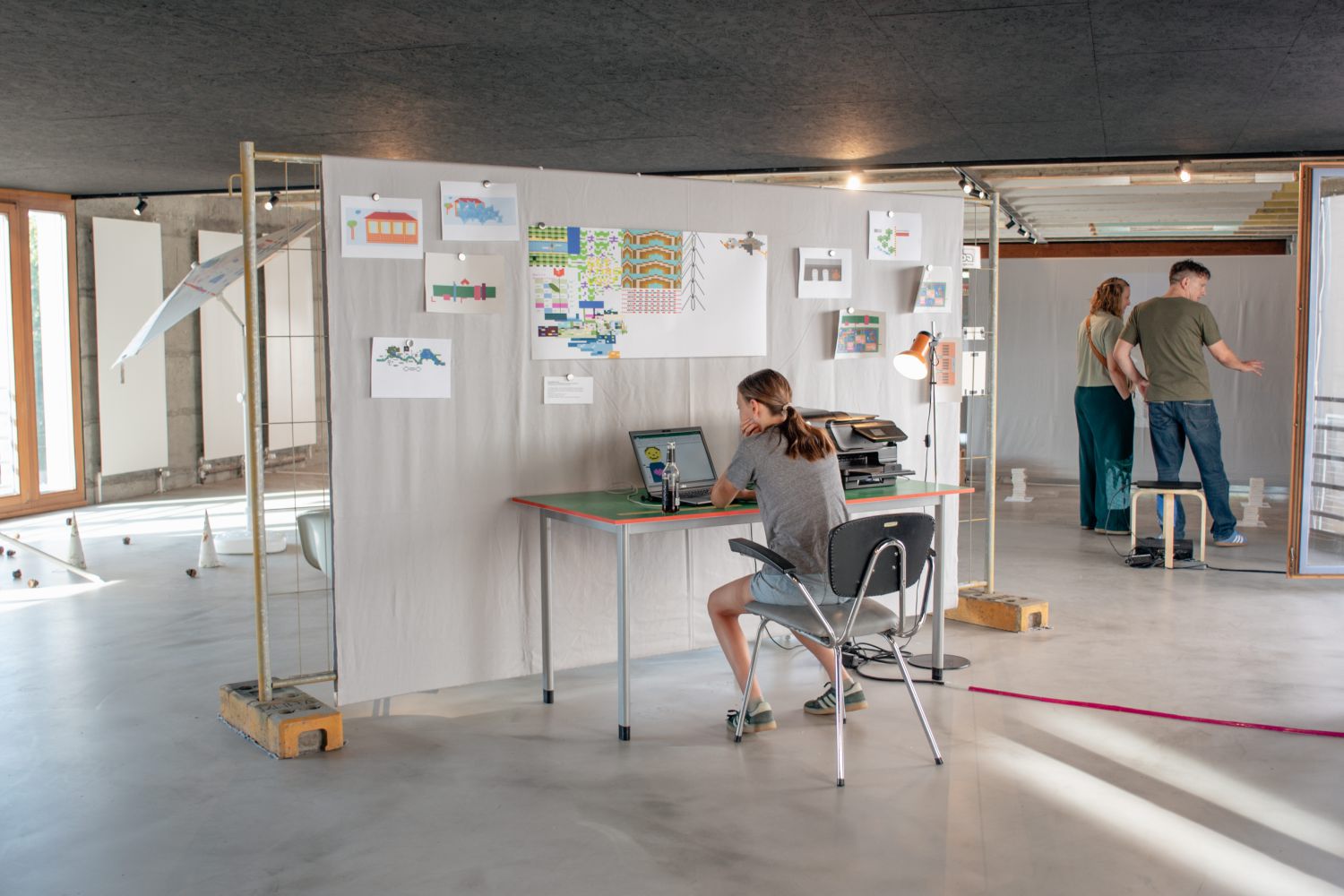
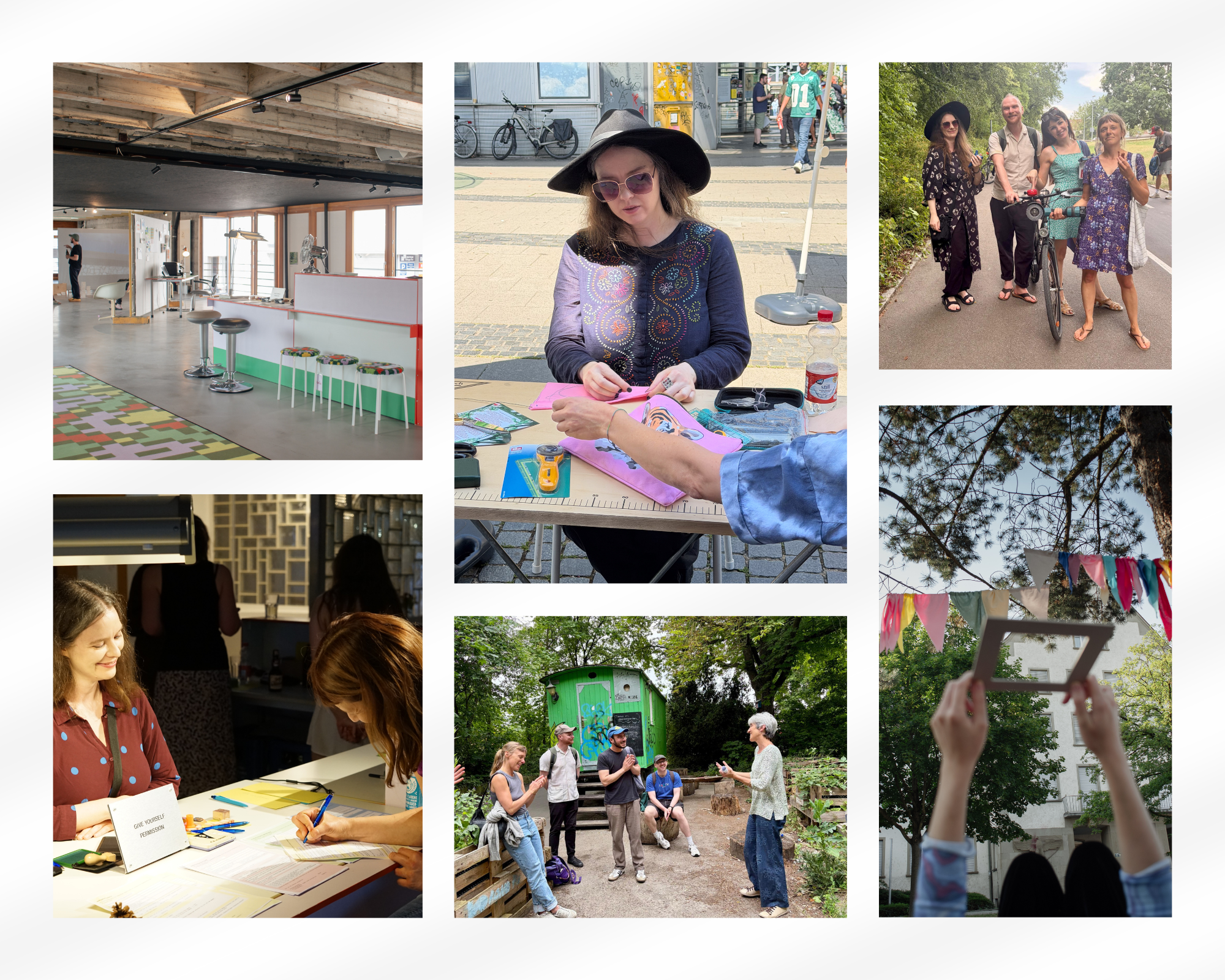
At its heart was the Office for Non-Efficient Development, a temporary creative space established in a former department store at Neue Straße 8, in the centre of the redevelopment area.
Curated by artist Martin Leibinger, the office offered an open meeting point for imagining the unknown, discovering new possibilities and seeing familiar places in a different light.
The concept challenged the idea that urban development must always be driven by efficiency and clearly defined outcomes. Instead, it invited people to consider what free spaces in a city mean to them, what overlooked places might offer and how they could be used differently.
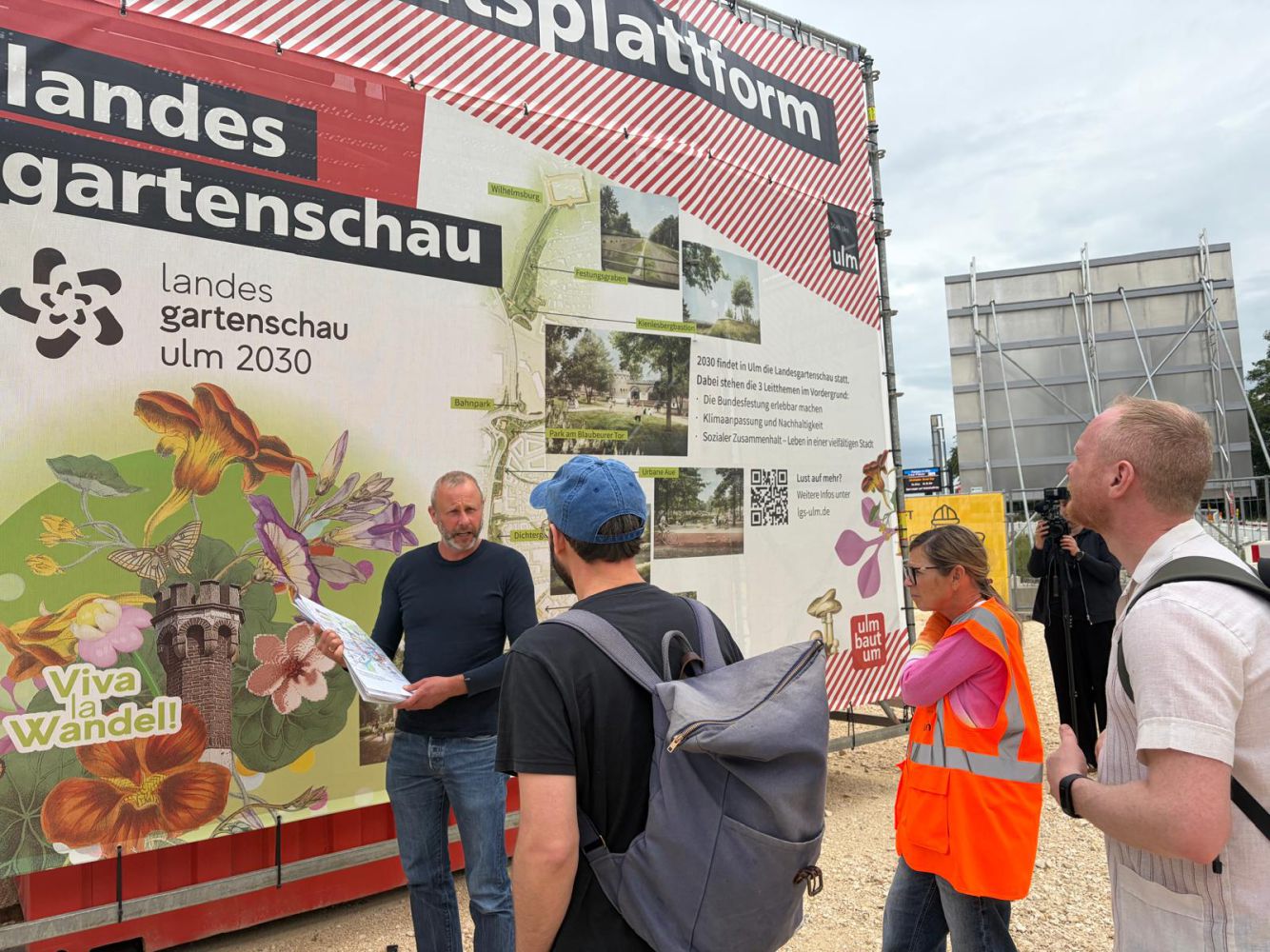
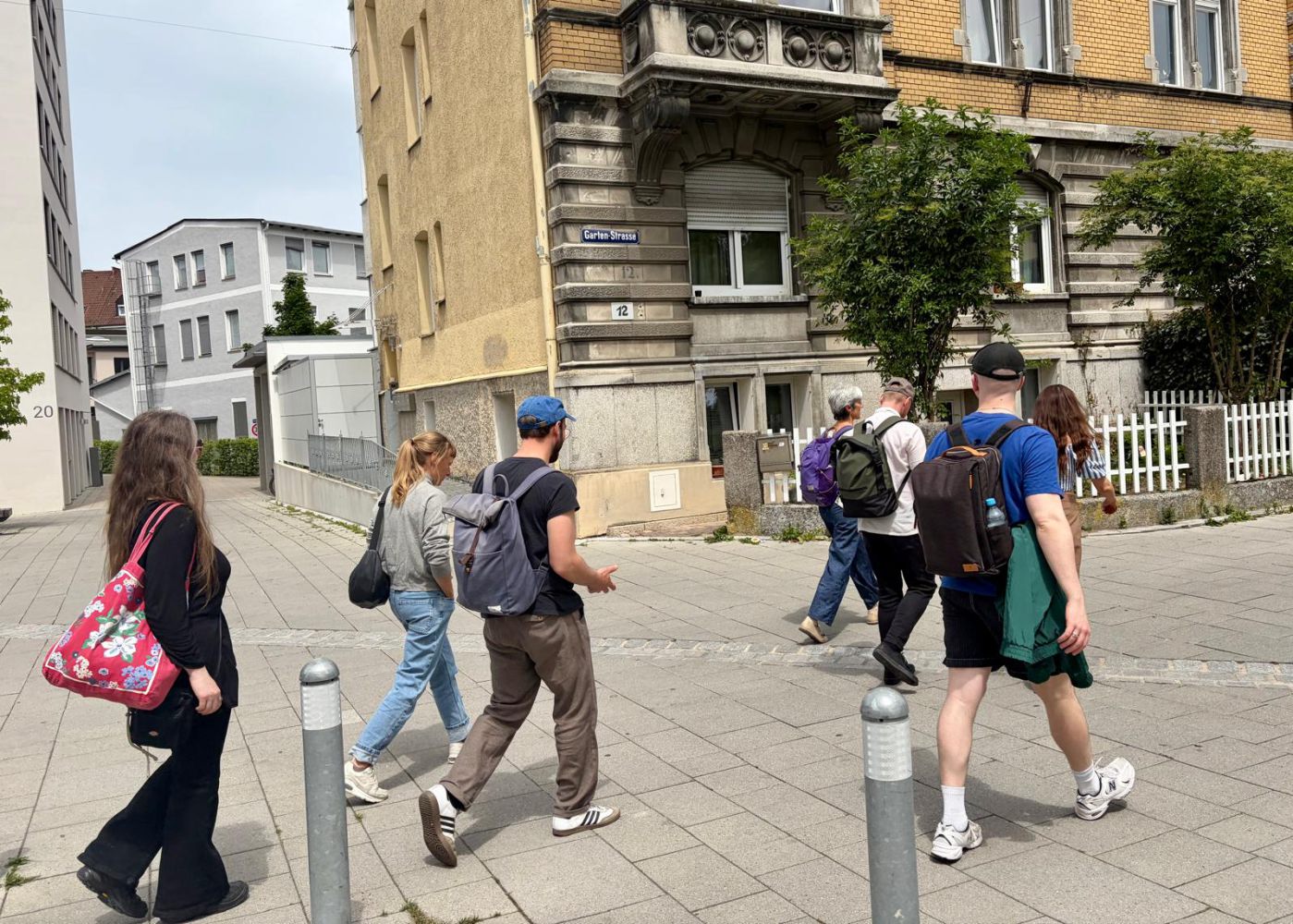
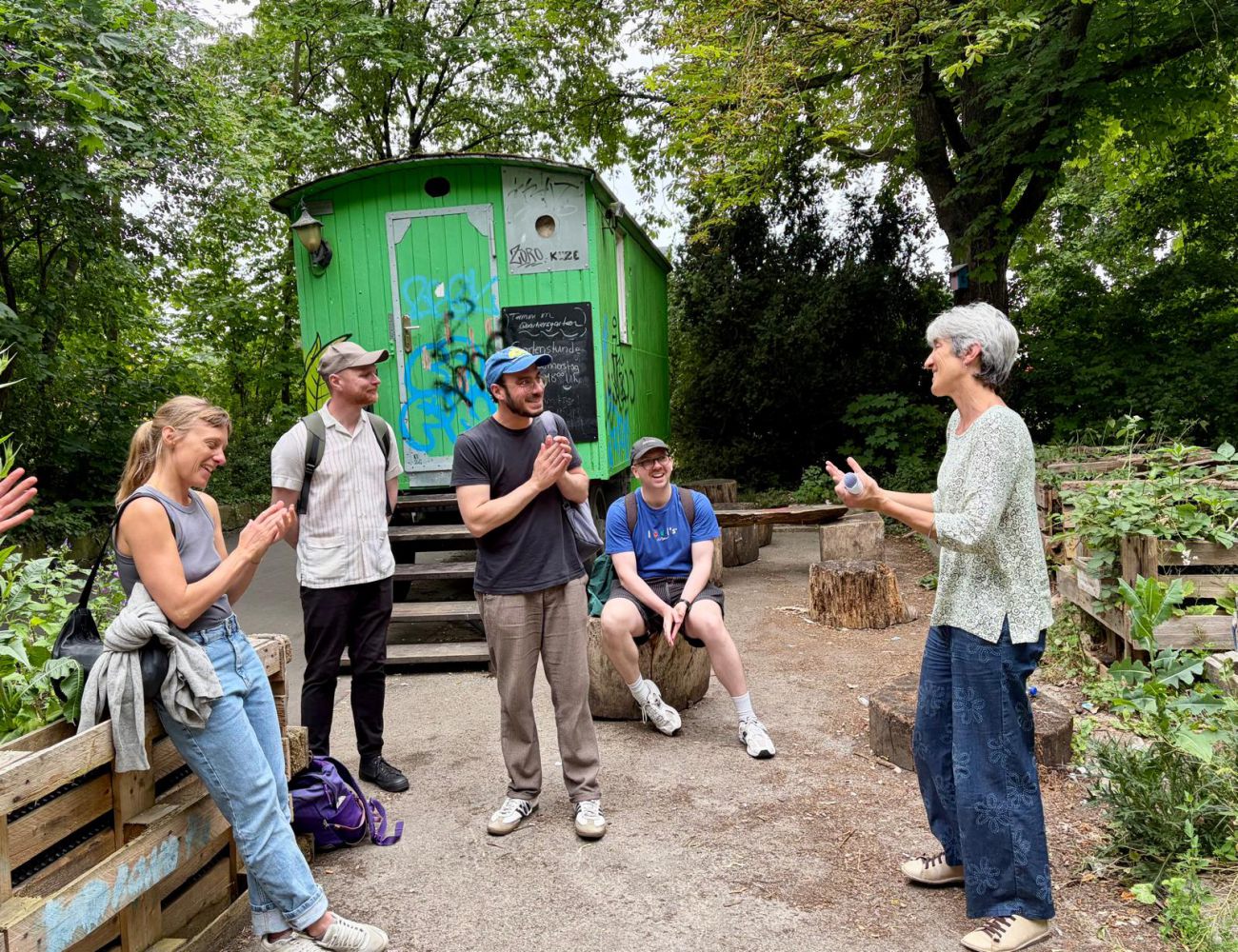
The project began with guided tours, meetings and conversations with local organisations and people involved in the city's development. These encounters offered different perspectives on the area's history and future, inspiring a series of playful artistic interventions.
Giving people permission to play
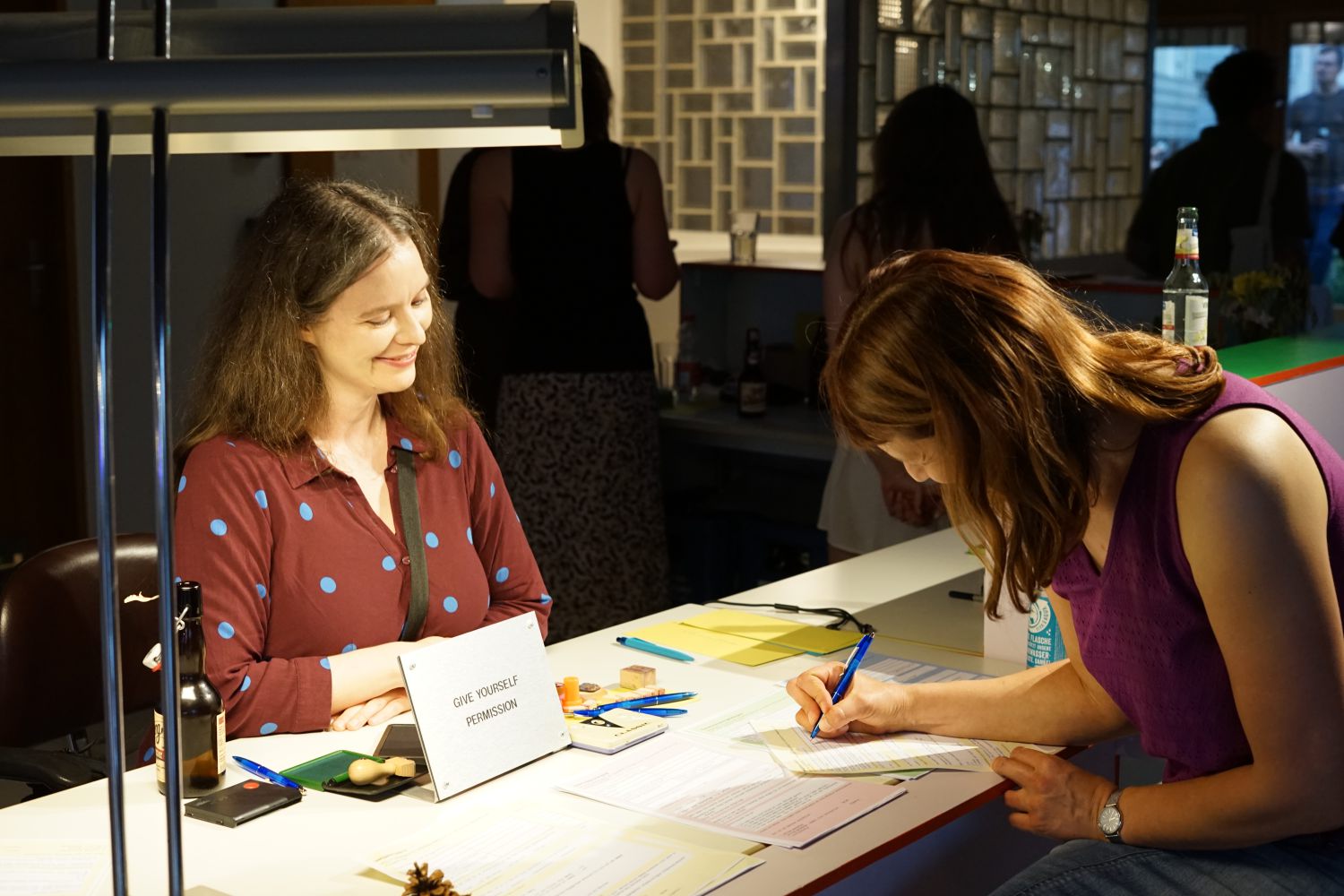
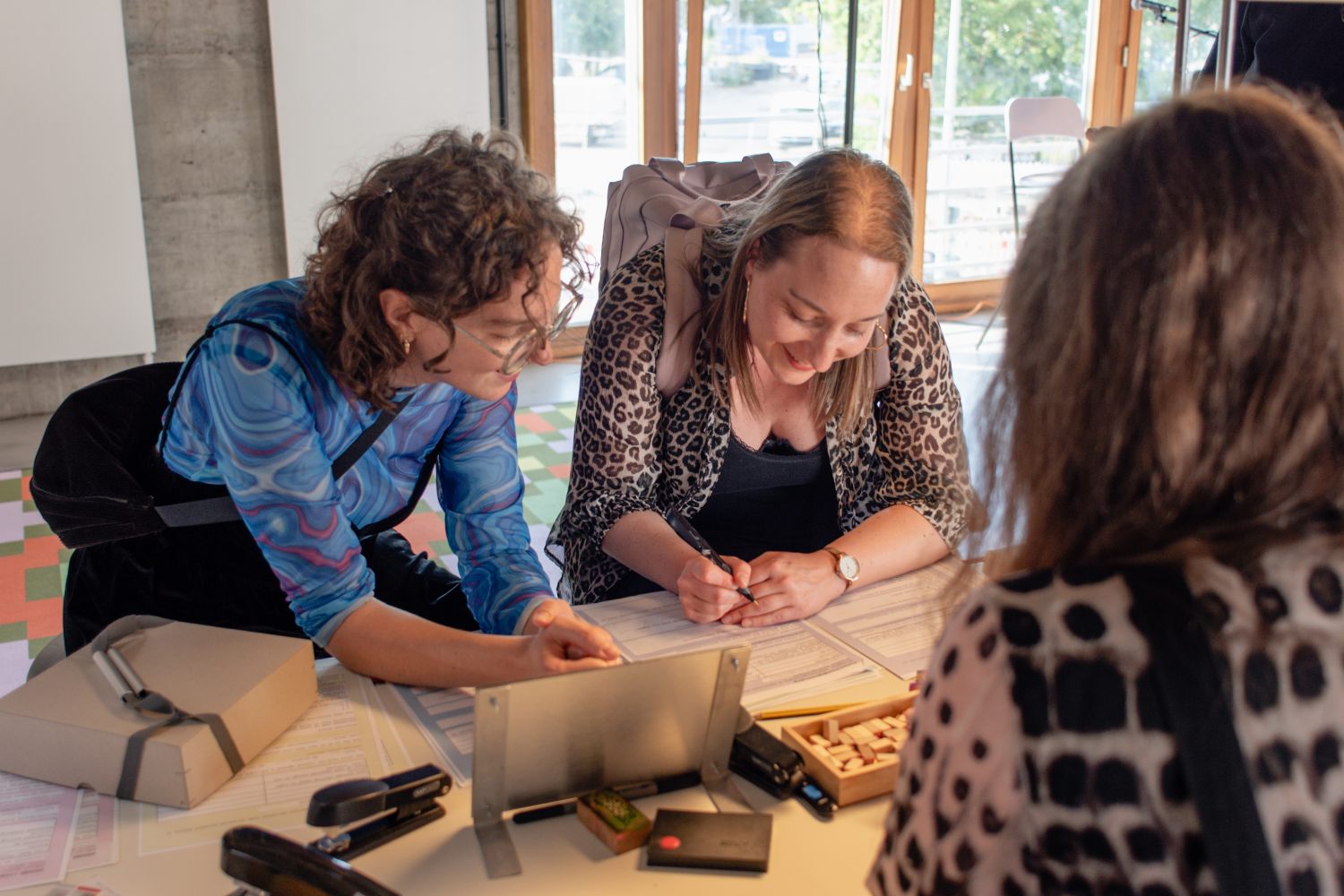
One of the project's activities, Give Yourself Permission, invited people to consider the unwritten rules that shape our behaviour in public spaces.
The artists created permission slips encouraging people to do things that are perfectly acceptable in public but that we rarely give ourselves the freedom to do.
The idea was simple: how might our relationship with a place change if we felt more comfortable stopping, exploring, playing or simply spending time there?
The activity attracted considerable interest and was later extended through an invitation to settle down in public space. Participants could use a specially designed picnic blanket and a research kit containing objects to help them investigate their surroundings.
These small interventions challenged assumptions about how urban spaces should be used, encouraging curiosity and a more personal connection with the city.
Listening to the city and celebrating its history
Sound also played an important role in the project.
Composer Marty Coyle, whose practice incorporates urban and found sounds, developed soundscapes inspired by the surrounding environment, inviting audiences to contribute to the creative process.
The activity prompted conversations and memories, including an encounter with someone who had grown up in the neighbourhood and shared their experiences of the area.
It was a reminder that urban development is not only about buildings and infrastructure. Places also hold personal histories and connections that can easily be overlooked during periods of change.
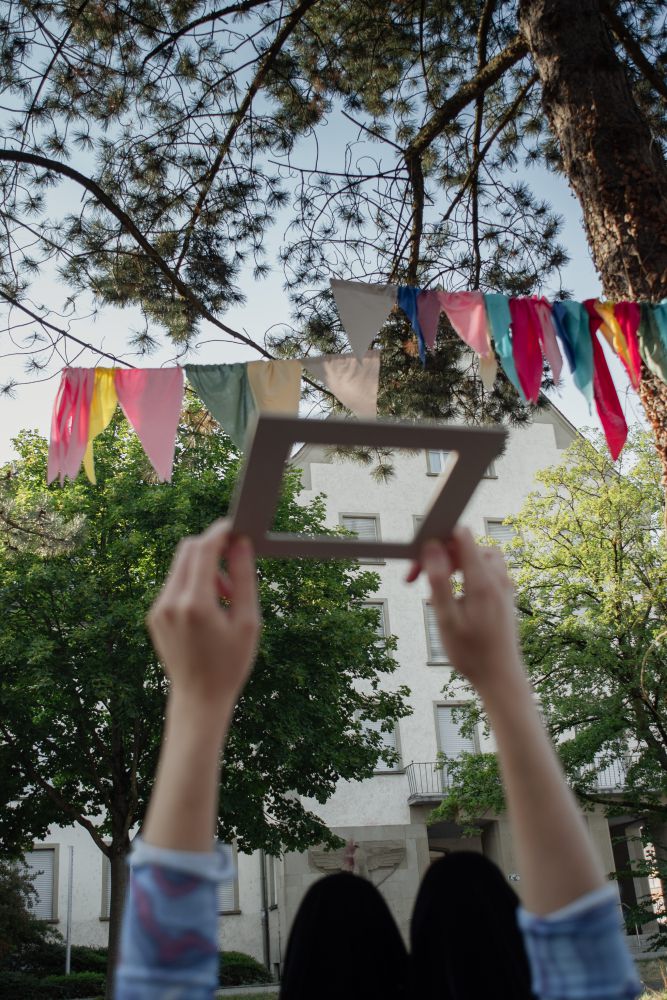
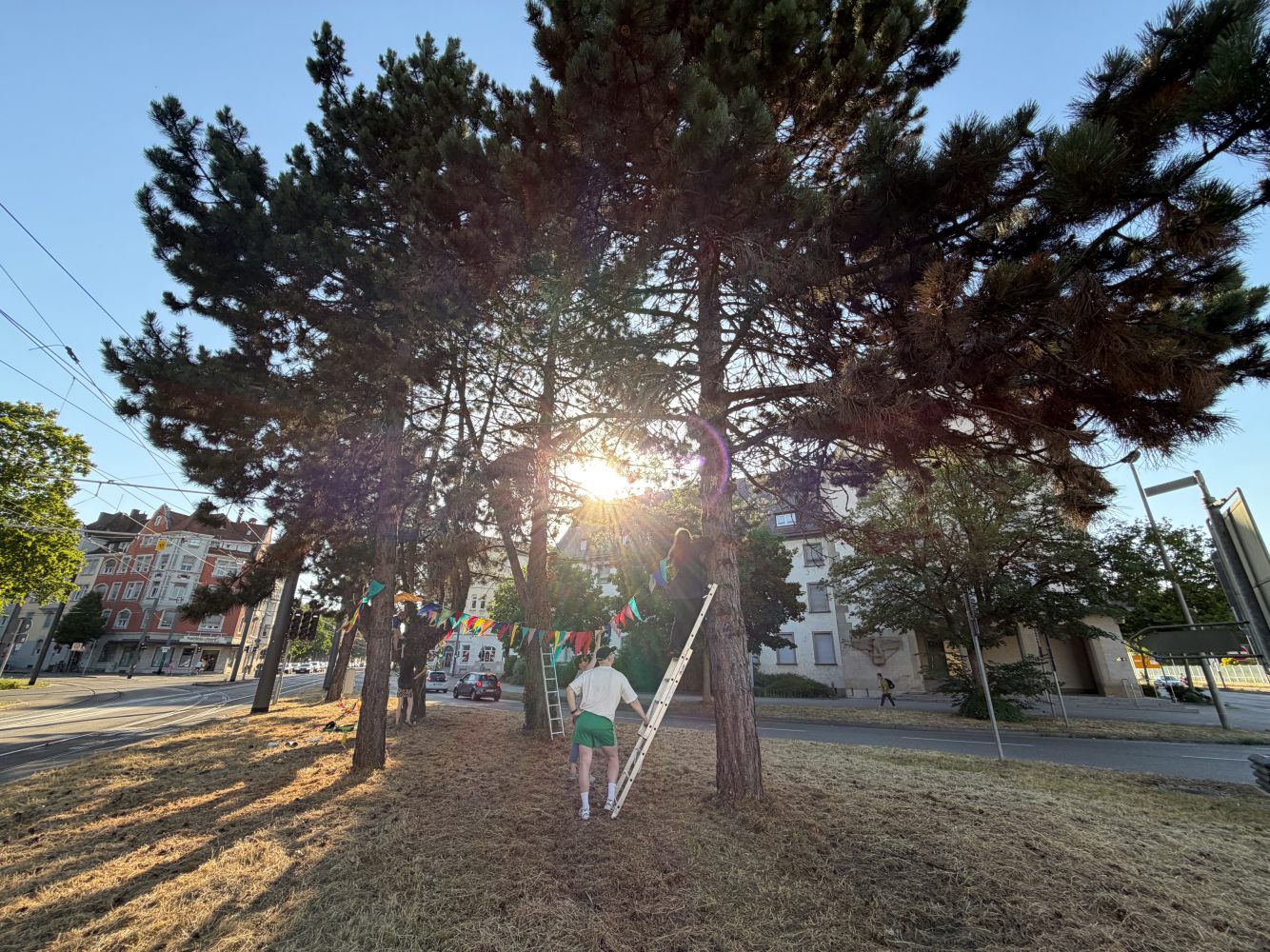
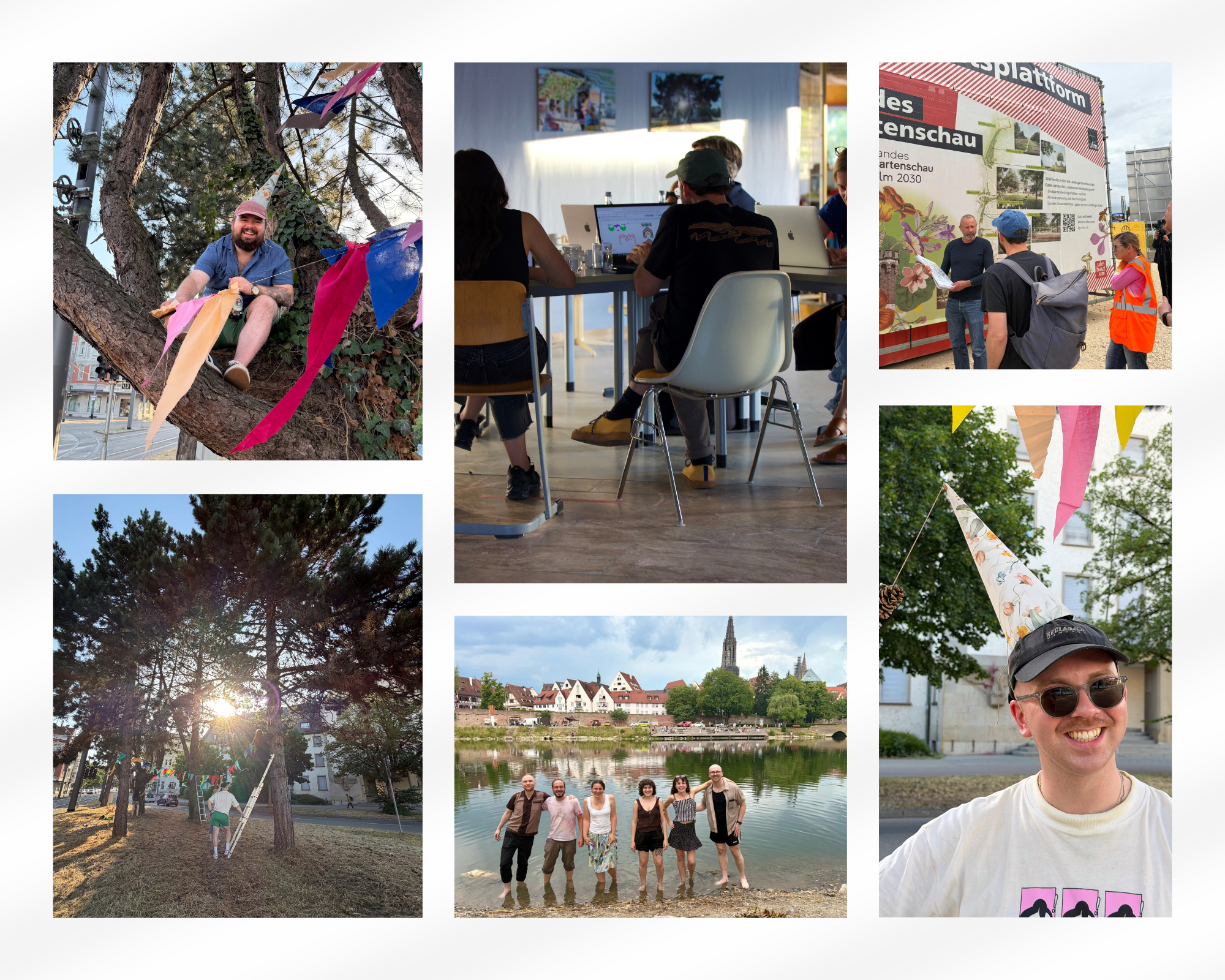
Another intervention, Birthday of the Trees, turned attention towards the pine trees growing beside the historic fortress.
These trees have stood for more than a century. Originally planted as part of the fortress landscape, they would once have provided a potential source of timber in the event of an attack.
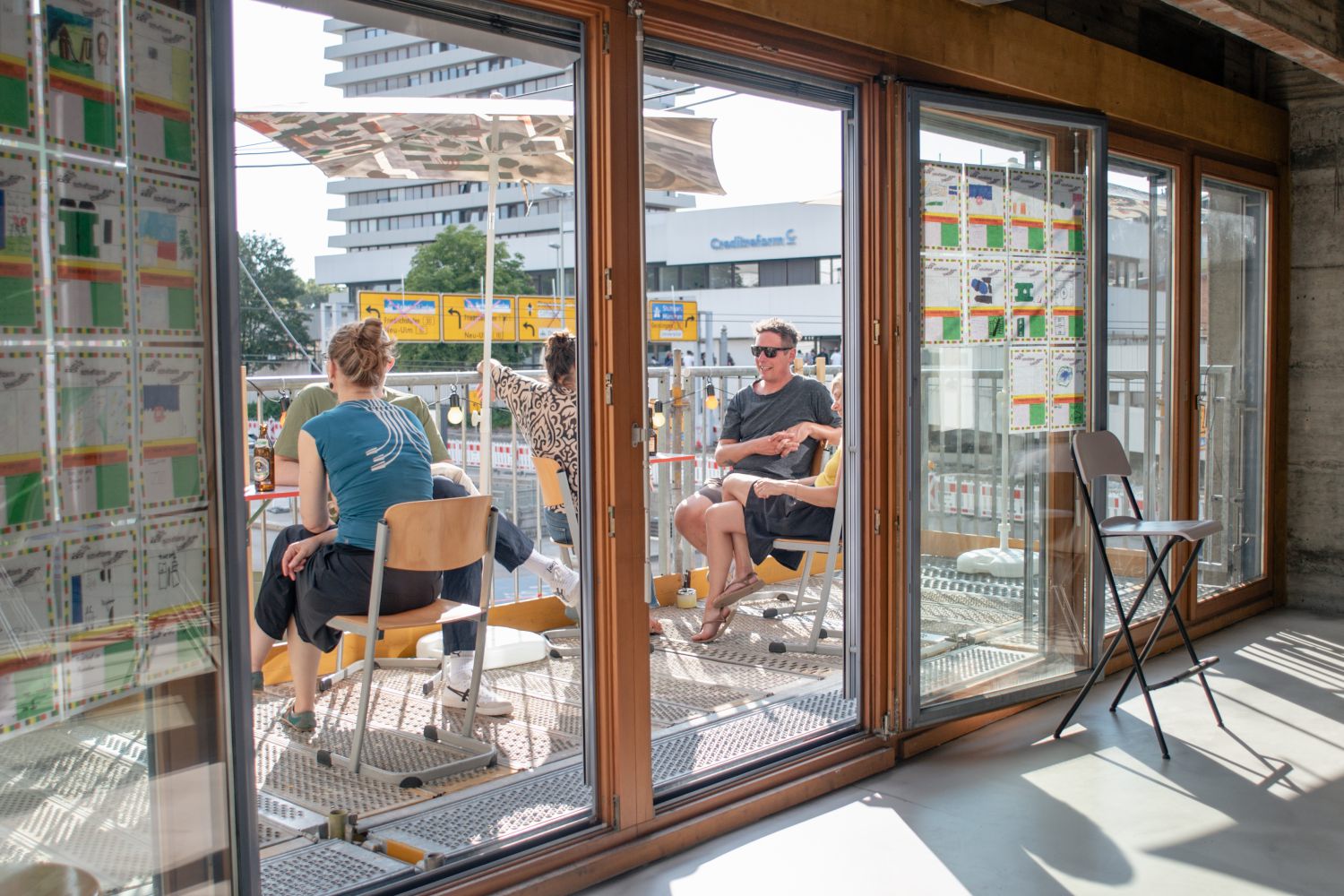
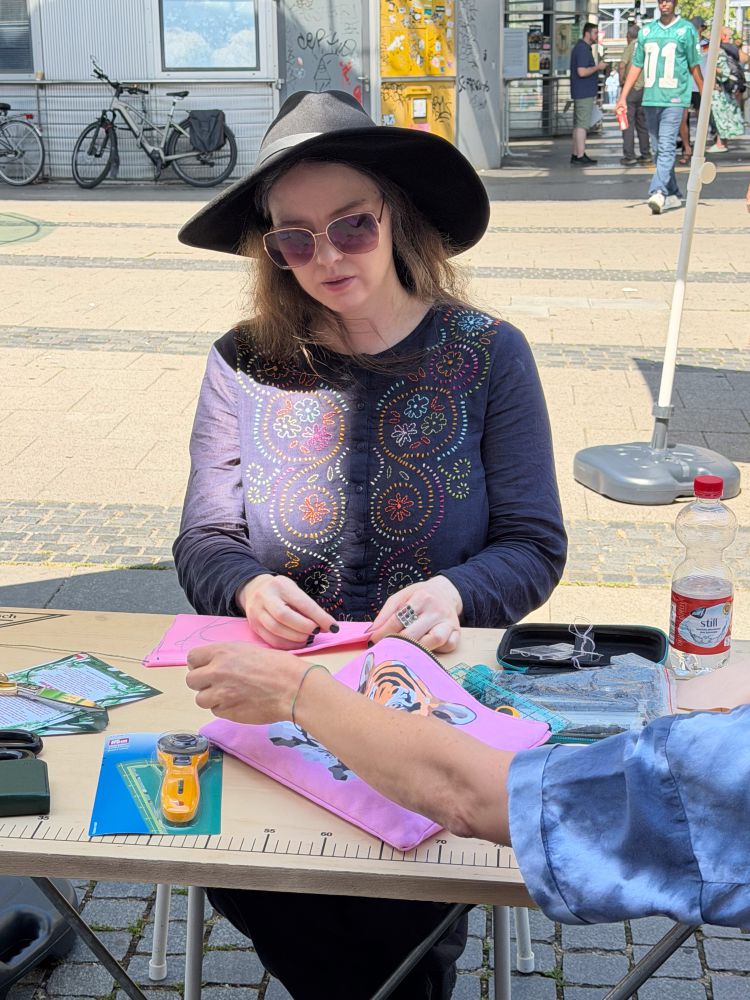
The artists invited people to celebrate the trees by leaving messages, which were sewn onto specially designed parasols and suspended among their branches.
The resulting installation created a striking visual presence, celebrating the trees as living witnesses to the city's history.
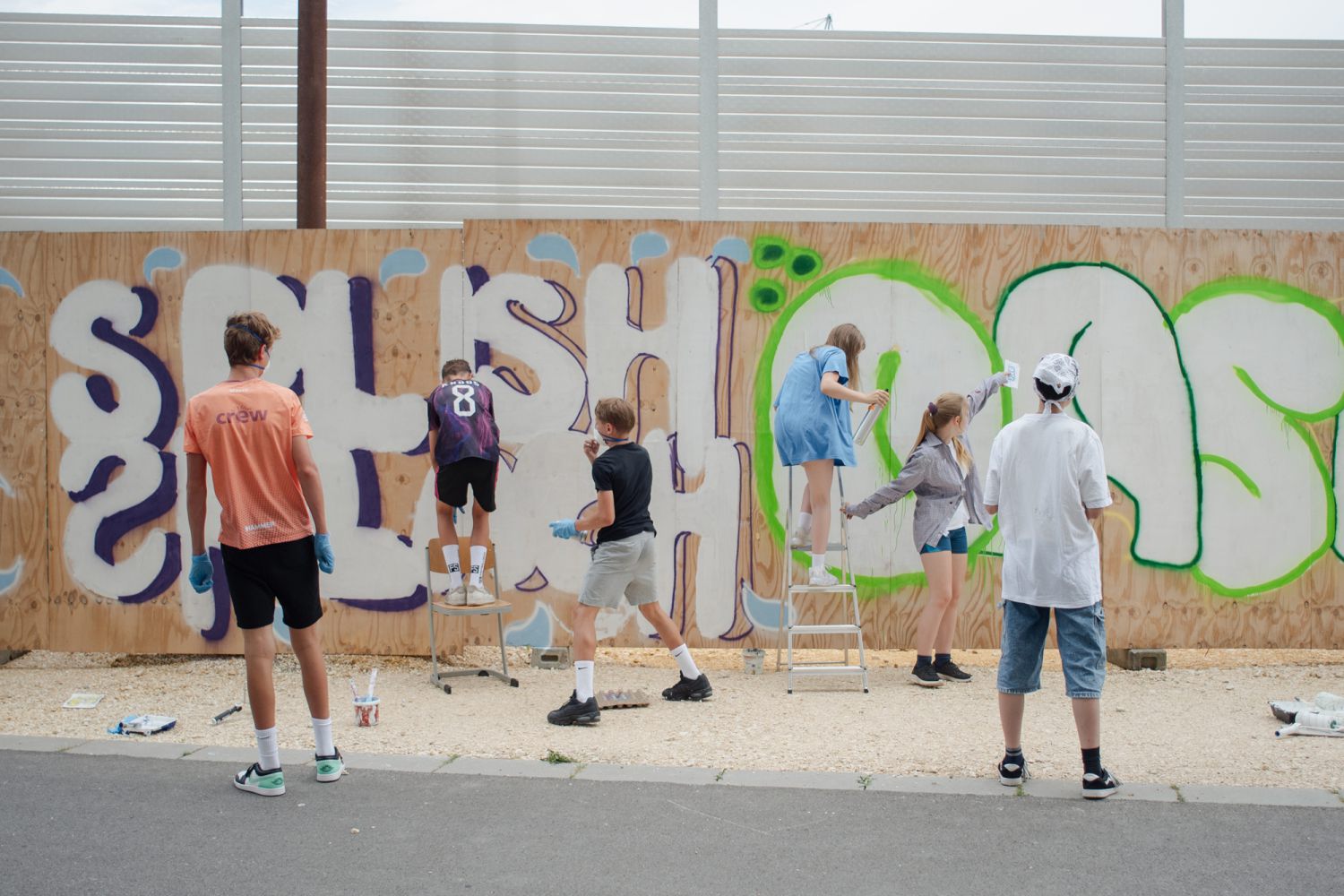
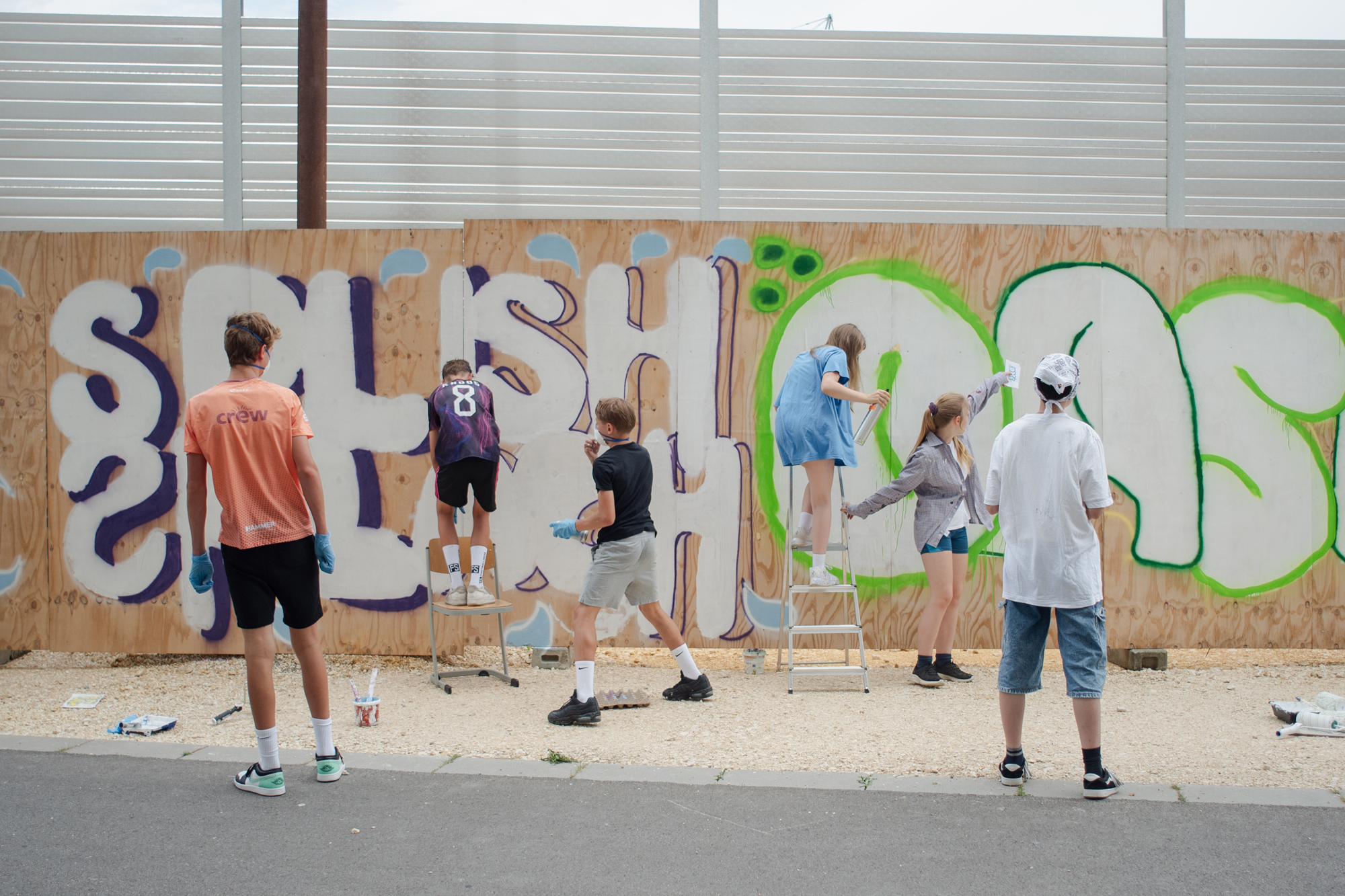
Alongside these interventions, the artists experimented with other creative approaches, including workshops with schools, with some ideas finding their way into the public realm through graffiti.
The value of working differently
Beyond the individual activities, Floating Fortress was also an experiment in international and interdisciplinary collaboration.
The participating artists had not previously worked together as a group. They brought different creative practices, perspectives and ways of working, from visual art and sound to theatre, digital technology and participatory engagement.
Bringing these approaches together was not always straightforward. Different working rhythms, commitments and artistic processes required flexibility, while practical challenges, including a summer heatwave, added further complications.
There were also interesting differences in creative approaches, with the open-ended conceptual framing of curatorial practice meeting the more direct artistic vision and storytelling approaches familiar to theatre-making.
For the visiting artists, working in an unfamiliar city offered a particular freedom. Without the same established relationships or personal histories connected to the place, they could approach familiar spaces with fresh eyes.
Perhaps one of the most valuable aspects of the partnership was the opportunity to prioritise research and development without the pressure to produce predetermined outcomes.
Artists are often expected to deliver clearly defined results, making it challenging to embrace a process where the destination is not known in advance.
Floating Fortress created space to experiment, test ideas and respond to what emerged through conversations and encounters with the city.